Pune Property Tax Increase Proposal Dismissed Unanimously
Residents within Pune's civic limits have received significant relief as they will not face additional financial burdens through property tax increases in the upcoming fiscal year. The Pune Municipal Corporation's general body convened on Wednesday and unanimously dismissed the administration's proposal to implement a 5% hike in property tax rates. This decision represents a major victory for taxpayers who would have otherwise seen their municipal bills rise substantially.
Cross-Party Support Against Tax Burden
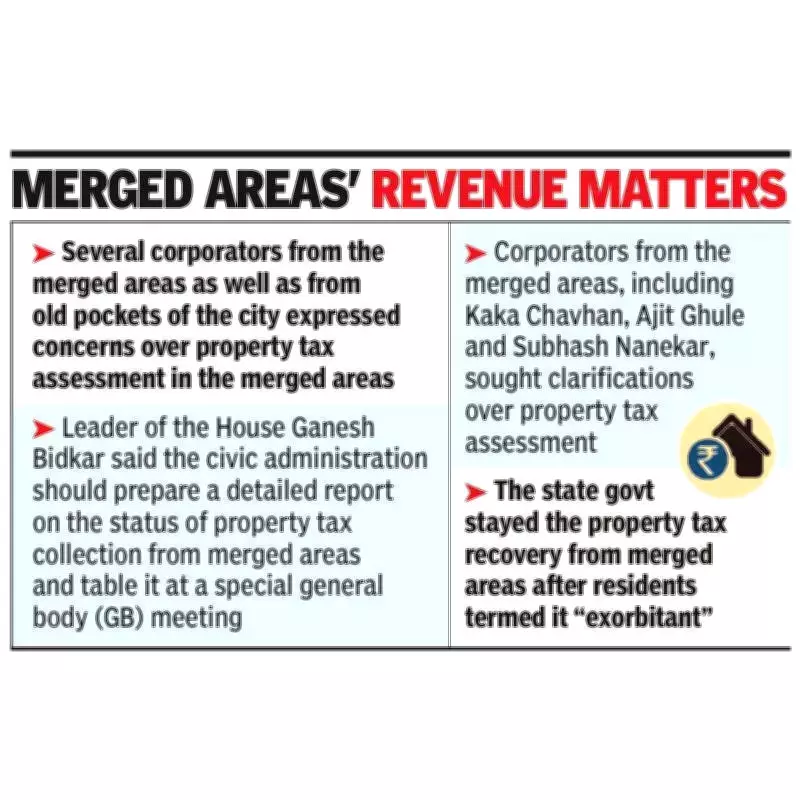
The rejection of the property tax increase proposal enjoyed support across all political party lines within the municipal corporation. Corporators from various political affiliations collectively instructed the civic administration to focus on improving tax recovery mechanisms and expanding the property tax net to include more properties rather than increasing rates on existing taxpayers. Leader of the House Ganesh Bidkar emphasized that the proposal was dismissed with the clear intention of avoiding additional burdens on diligent taxpayers who consistently fulfill their civic financial obligations.
The opposition parties, including the Nationalist Congress Party, Congress, and Shiv Sena (UBT), all supported the rejection of the property tax hike proposal. The Bharatiya Janata Party had already decided to dismiss the proposed increase during preliminary meetings of corporators before the general body session. Leader of the Opposition Nilesh Nikam highlighted systemic issues within the property tax system, noting that many properties remain outside the tax ambit and recovery processes are not being executed properly.

Administrative Challenges and Alternative Solutions
Numerous corporators raised concerns about residents facing persistent problems in resolving issues related to tax assessment and collection. They demanded that the administration address all pending cases pertaining to property tax before considering any rate increases. Senior corporators Varsha Tapkir and Sachin Dodke pointed out that employees involved in property tax-related work often demonstrate uncooperative attitudes, contributing to significant pendency in tax resolution cases.
Congress corporator Arvind Shinde claimed that the property tax hike proposal was ultimately dismissed following intervention by Chief Minister Devendra Fadnavis, indicating high-level political involvement in the decision. The civic administration now faces the challenge of developing alternative measures to increase earnings through property tax without raising rates, potentially through improved collection efficiency and expanded coverage.
Pimpri Chinchwad Also Likely to Avoid Tax Increase
In neighboring Pimpri Chinchwad, residents are also likely to be spared property tax increases for the 2026-27 financial year due to administrative circumstances. The Pimpri Chinchwad Municipal Corporation last revised property tax rates in the 2013-14 fiscal year, and according to municipal norms, any proposal to revise property tax must be submitted to the standing committee before February 20.
A senior PCMC official explained that given the current administrative situation, it is highly unlikely that a standing committee will be formed before the deadline, effectively preventing any tax hike proposal from being tabled and approved. Officials indicated that the PCMC's annual budget will likely be placed directly before the general body for approval due to delays in forming the standing committee, continuing a pattern established over the past four years where the municipal commissioner has presented and cleared budgets while functioning as administrator in the absence of an elected body.
Systemic Issues in Property Tax Administration
The discussions surrounding property tax in both municipal corporations revealed deeper systemic challenges within municipal tax administration. Corporators emphasized the need for appointing additional employees to improve the overall functioning of property tax departments and address the significant backlog of unresolved cases. The focus has shifted from increasing tax rates to improving administrative efficiency, expanding the tax base to include currently exempt properties, and enhancing recovery mechanisms for outstanding taxes.

This development represents a significant policy direction for municipal governance in the Pune metropolitan region, prioritizing taxpayer relief over immediate revenue generation through rate increases. The decisions reflect growing political sensitivity to citizen financial burdens amid broader economic considerations, while simultaneously highlighting the need for administrative reforms within municipal tax collection systems.