Neighbourhoods under the Pimpri Chinchwad Municipal Corporation (PCMC) are expanding at a breakneck speed, but this growth has starkly outpaced the provision of fundamental civic services. Residents across multiple wards are grappling with a severe deficit in regular water supply, systematic garbage collection, and the development of essential amenity spaces like parks and playgrounds. Compounding these problems, air pollution from relentless industrial activity and construction projects has become a major health concern. The collective demand from citizens is clear: elected corporators must urgently bridge this widening gap between population growth and civic infrastructure.
Key Battleground Wards: Infrastructure in Crisis
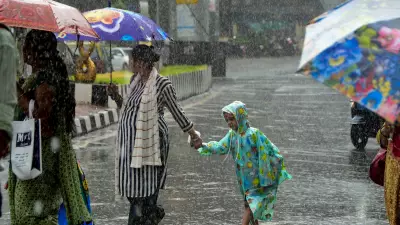
The electoral battle for Pune's civic wards is unfolding against a backdrop of widespread public discontent. In the northeast, the mixed-use localities of Yerawada, Kalas, and Dhanori present a microcosm of the city's struggles. While Kalas and Dhanori are booming residential hubs, historically significant Yerawada remains densely populated with numerous slums. Common grievances here include painfully slow development, daily traffic gridlock, dilapidated roads, and chronic waterlogging during monsoons.
The issues are meticulously documented. Wards 1 (Kalas-Dhanori-Lohegaon), 2 (Nagpur Chawl-Phulenagar), and 6 (Yerawada-Gandhinagar) are plagued by inadequate road infrastructure. Narrow roads in Kalas, Dhanori Gaothan, Munjaba Vasti, and near Khese Park cause constant congestion. Urbanisation around the airport has occurred haphazardly and on a large scale, lacking coherent planning. Building height restrictions due to the airport's funnel zone add another layer of complexity. Traffic snarls on Airport Road and Shastrinagar Chowk are routine, and the absence of a direct Metro link from Yerawada to the airport is keenly felt.

Residents voice their frustrations starkly. Madhur Ghogare, a Dhanori resident and sportsperson, highlights the sewage overflow that forces parents to carry children to school. He calls for solutions to endless traffic and waste dumping, suggesting sensitisation campaigns backed by CCTV surveillance and fines. Sagar Malkunaik, an autorickshaw driver from Yerawada, points out the neglect of the gaothan area, where illegal activities thrive and police patrolling is insufficient. He notes that roads once accessible to buses are now impassable even for cars, pleading for solutions to parking woes.
Hadapsar-Mundhwa and PCMC Wards A, B, C, D: A Recurring Theme of Neglect
The story repeats in the densely populated Hadapsar-Mundhwa belt, encompassing Manjari and Ramtekdi. A surge in new constructions has increased dependence on water tankers, amplified waste piles, and worsened traffic congestion. Despite being surrounded by tech parks like Magarpatta and Kharadi, residents feel sidelined. Key issues here include narrow roads causing jams in Keshavnagar and at the Ramtekdi junction, merged areas awaiting basic amenities, irrigation canals turning into garbage dumps, and sluggish Slum Rehabilitation Authority (SRA) projects.
Resident Preetam More, a mechanical engineer from Hadapsar, decries the constant honking by trucks and buses on the Solapur highway, which disrupts sleep nightly. He demands strict police action through challans. Chaitanya Sharma from Keshavnagar criticises the plague of half-completed public projects, questioning the waste of taxpayer money and urging corporators to ensure coordination and completion.
In PCMC Ward A, which includes the massive wholesale market at Pimpri Camp, controversies rage. The long-term closure of the Bahinabai Chaudhary Zoo and widespread protests against the 'Harit Setu' project, which residents claim reduces road width, are key flashpoints. Hemant Mishra of Nigdi Pradhikaran argues that increased FSI led to high-rises, making existing roads inadequate, and the Harit Setu project exacerbates congestion by widening footpaths. Shop owner Prabhu Jodhwani highlights a two-decade-long demand for dedicated parking in Pimpri Camp, lost customers, and civic inaction against encroachments.

Ward B, covering developing suburbs like Ravet, Kiwale, and older settlements like Chinchwad gaothan, faces a classic infrastructure deficit. Civic amenities have not kept pace with rapid growth, leaving areas without motorable roads, consistent water, or proper waste management. Land reserved for schools and sports grounds lies vacant, and poor drainage causes waterlogging in Walhekarwadi and Bijlinagar. Amol Kalekar from Kiwale and Yogesh Rane from Chinchwad detail the paralysis in redevelopment projects due to flood line restrictions and new TDR/FSI rules, affecting around 1,600 flats.
The aftermath of PCMC's massive January 2025 demolition drive defines Ward C. Over 4,100 industrial units and scrap shops on 900 acres were razed, rendering more than 50,000 people jobless. The primary demand here is the rehabilitation of these industries in the same vicinity. Sandeep Belsare, President of the Pimpri Chinchwad Small Scale Industries Association, speaks of severe losses and struggles to restart. Prashant Raul from Indiranagar adds concerns about roadside dumping, mismatched garbage collection timings, industrial waste pollution, and peak-hour traffic.
Finally, Ward D, home to IT professionals in Wakad and Punawale, battles problems born of its own success. High dependency on water tankers in Punawale, air pollution and accidents from rampant construction and RMC trucks, and a rise in thefts and chain-snatching in Vishalnagar are pressing issues. The Punawale and Tathawade underpasses have become notorious bottlenecks. Sumit Dhage from Punawale reports AQI levels sometimes crossing 300 due to dust and calls for action against rash driving by heavy vehicles. Ganesh Bomble from Vishalnagar demands a permanent police chowkey, noting that a temporary one was set up only just before elections were announced.
The Way Forward: Projects and Public Demand
Amid the challenges, some projects offer glimmers of hope. In the Yerawada-Kalas-Dhanori zone, an equitable water supply project and a flyover and underpass at Vishrantwadi Chowk are ongoing, with road widening towards Nagar Road and Metro line upgrades on Airport Road planned. Hadapsar-Mundhwa sees a bridge connecting Keshavnagar to Kharadi under construction, alongside road widening and traffic improvement plans at Magarpatta Chowk.
However, the overarching sentiment across Pune's PCMC limits is one of impatience and urgent expectation. The civic body's execution is widely perceived as slow or stalled. As the city continues its rapid urban march, the onus is squarely on the elected representatives to translate plans into tangible, timely outcomes. The election mandate will hinge on which corporators can most convincingly promise to synchronise civic infrastructure with the relentless pace of urban growth and address the daily hardships of water scarcity, waste mismanagement, and traffic paralysis.