

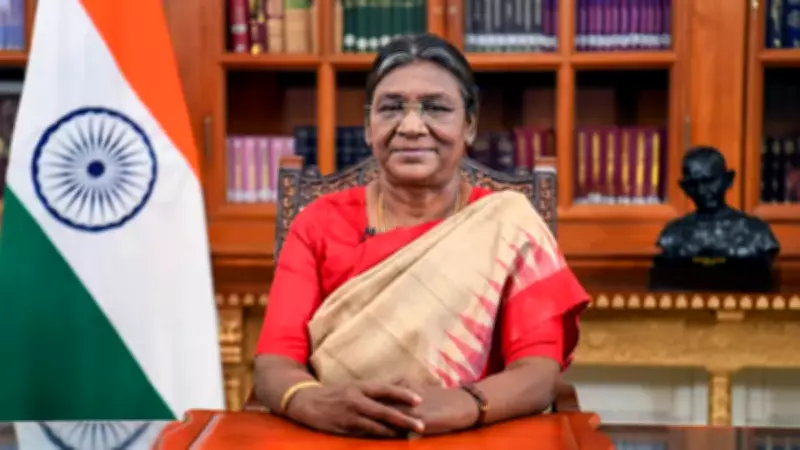
President Droupadi Murmu's Landmark Visit to Siddaganga Math in Tumakuru
President Droupadi Murmu is set to embark on a significant visit to the revered Siddaganga Math in Tumakuru, Karnataka. This visit, scheduled for April 1, 2026, is drawing widespread attention due to the math's deep-rooted spiritual, social, and political influence in the region. The event underscores the ongoing importance of religious institutions in India's cultural and political landscape, particularly in the lead-up to key electoral processes.
Why This Visit Matters: Spiritual and Social Dimensions
The Siddaganga Math, established by the revered saint Sri Siddaganga Swamiji, has long been a beacon of humanitarian service and spiritual guidance. Over the decades, it has played a pivotal role in providing free education, food, and shelter to thousands of underprivileged individuals, earning it a reputation as a center of social welfare. President Murmu's visit is seen as a recognition of these contributions, highlighting the math's commitment to societal upliftment and its alignment with national values of compassion and service.
Moreover, the visit emphasizes the math's spiritual significance as a hub for the Lingayat community, a major religious group in Karnataka. By engaging with the math's leadership and devotees, President Murmu is fostering interfaith dialogue and reinforcing the role of such institutions in promoting harmony and unity across diverse communities. This aspect is crucial in a state known for its rich cultural tapestry and occasional socio-political tensions.

The Significance of Siddaganga Math in Karnataka's Political Arena
Beyond its spiritual and social roles, Siddaganga Math holds substantial political weight in Karnataka. Historically, the math has been a key influencer in state politics, with its endorsements often swaying voter sentiment, especially among the Lingayat community. President Murmu's visit, therefore, carries implicit political undertones, as it comes at a time when Karnataka is gearing up for upcoming elections.
Analysts suggest that this visit could be interpreted as a strategic move to strengthen ties with influential religious leaders and their followers, potentially impacting electoral dynamics. The math's ability to mobilize support and its historical connections with various political parties make it a critical stop for national figures seeking to bolster their presence in the region. President Murmu's engagement here may signal broader efforts to bridge gaps between the central government and local stakeholders in Karnataka.
Historical Context and Broader Implications
Siddaganga Math's legacy dates back to the 15th century, with its founders emphasizing values of education, charity, and spiritual enlightenment. Over the years, it has hosted numerous dignitaries, including former presidents and prime ministers, cementing its status as a national landmark. President Murmu's visit follows this tradition, but it also reflects contemporary priorities, such as promoting social justice and inclusive development.
In a broader context, this visit aligns with India's emphasis on preserving cultural heritage while addressing modern challenges. It showcases how religious institutions can collaborate with governmental bodies to advance common goals, such as education and poverty alleviation. For President Murmu, as the first tribal woman to hold the office, this visit also symbolizes a commitment to representing diverse voices and fostering national integration through respectful engagement with all communities.
Conclusion: A Multifaceted Engagement
In summary, President Droupadi Murmu's visit to Siddaganga Math in Tumakuru is a multifaceted event with spiritual, social, and political dimensions. It honors the math's enduring contributions to society, acknowledges its influence in Karnataka's political sphere, and reinforces the importance of intercommunity dialogue. As the nation watches, this visit serves as a reminder of the intricate connections between religion, politics, and social welfare in India, setting a precedent for future engagements between high-ranking officials and revered institutions.






