From Cadre to Camera: The Growing Power of PR in Kerala Politics
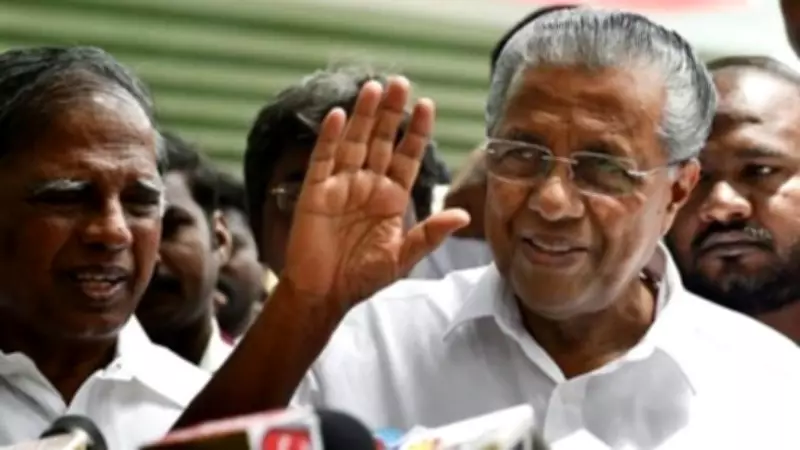
Kerala Chief Minister Pinarayi Vijayan has often been perceived as a rigid and stubborn politician, a reputation that has defined his public image for years. However, recent developments suggest a significant shift in how political narratives are crafted and communicated in the state, highlighting the increasing influence of public relations strategies.
The Evolution of Political Communication
Traditionally, Kerala politics has relied heavily on cadre-based mobilization, with grassroots workers playing a crucial role in shaping public opinion. This approach emphasized direct engagement and ideological consistency, often sidelining media-centric tactics. In this context, figures like Vijayan were seen as steadfast leaders, prioritizing party discipline over personal branding.
Yet, the landscape is changing. The rise of digital media and 24-hour news cycles has compelled political entities to adopt more sophisticated communication methods. Public relations is no longer an afterthought but a central component of political strategy, enabling leaders to connect with diverse audiences and manage perceptions effectively.
Pinarayi Vijayan's Image Transformation
Chief Minister Pinarayi Vijayan's case exemplifies this trend. Once viewed as unyielding and detached from media optics, his administration has increasingly embraced PR tools to soften his image and enhance accessibility. This includes:
- Strategic media appearances to discuss governance and policy initiatives.
- Social media engagement to reach younger voters and counter opposition narratives.
- Crisis communication management during controversies to maintain public trust.
This shift from a cadre-focused approach to a camera-ready strategy reflects a broader recognition that political success in modern Kerala depends not just on ideological purity but on effective storytelling and image curation.
Implications for Kerala's Political Future
The growing power of PR in Kerala politics has several implications:
- Enhanced voter engagement: By leveraging media platforms, parties can foster deeper connections with constituents, addressing local issues while projecting a cohesive state-level vision.
- Increased competition: As PR becomes integral, political rivals are compelled to invest in similar strategies, leading to a more dynamic and media-savvy political environment.
- Challenges to authenticity: There is a risk that over-reliance on PR could dilute genuine political discourse, prioritizing perception over substantive policy debates.
In conclusion, the transition from cadre to camera in Kerala underscores a pivotal moment in Indian regional politics. As leaders like Pinarayi Vijayan adapt to new communication norms, the role of public relations is set to expand, reshaping how power is perceived and exercised in the state. This evolution marks a departure from traditional methods, signaling a future where media strategy and political acumen are increasingly intertwined.