Pune Municipal Corporation to Present Draft Budget for 2026-27 Fiscal Year
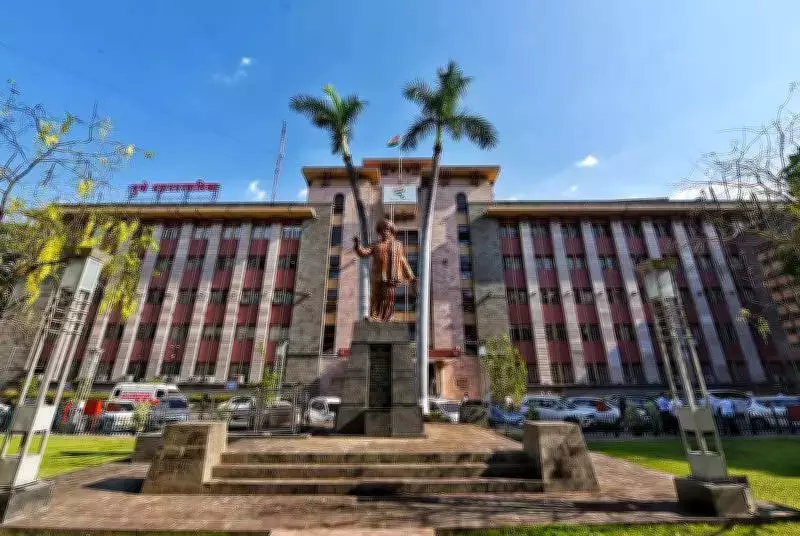
Pune Municipal Corporation (PMC) Commissioner Naval Kishore Ram is set to table the draft municipal budget for the financial year 2026-27 on Monday, marking a significant moment for the city's civic administration. According to an official press release issued by the PMC, the budget presentation will take place at 3 PM at the PMC headquarters located in Shivajinagar. This event represents the first municipal budget since the newly elected body assumed charge following elections held in January of this year.
Budget Details and Financial Projections
The draft budget is anticipated to surpass the Rs 14,000 crore mark, reflecting a substantial increase from the previous fiscal year. For the 2025-26 fiscal, the budget was valued at Rs 12,681 crore and was presented in March 2025 under administrator's rule due to the absence of civic elections at that time. The upcoming budget will be presented to the standing committee of the Pune Municipal Corporation, which will review and make necessary changes before the final budget is approved in the coming days.
Proposed Property Tax Increase and Opposition
A key proposal in the draft budget is a 5% increase in property tax, a move that has already faced opposition from elected members of the corporation. Civic officials have highlighted this as a measure to bolster municipal revenues, but it has sparked debate among stakeholders concerned about the financial burden on residents.

Focus on Infrastructure Development
Infrastructure development, particularly road construction, remains a central focus of the PMC's budgetary allocations. In the previous budget for 2025-26, an allocation of Rs 1,600 crore was dedicated to this sector, aiming to address critical urban challenges such as rising traffic congestion, junction bottlenecks, and slow vehicle movement across Pune. The new budget is expected to continue this emphasis, with potential enhancements to support the city's growing infrastructure needs.
Context and Historical Background
The transition from administrator's rule to an elected body has brought renewed attention to civic governance in Pune. The last budget under administrator's rule prioritized infrastructure to tackle urban mobility issues, and the new administration is poised to build on these efforts. As the standing committee prepares to deliberate on the draft, stakeholders are closely watching for how the budget will balance revenue generation through measures like the property tax hike with continued investments in public services and development projects.