Kerala Chief Minister Pinarayi Vijayan Sparks Political Firestorm with 'Chettatharam' Remark
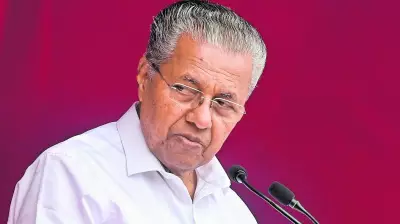
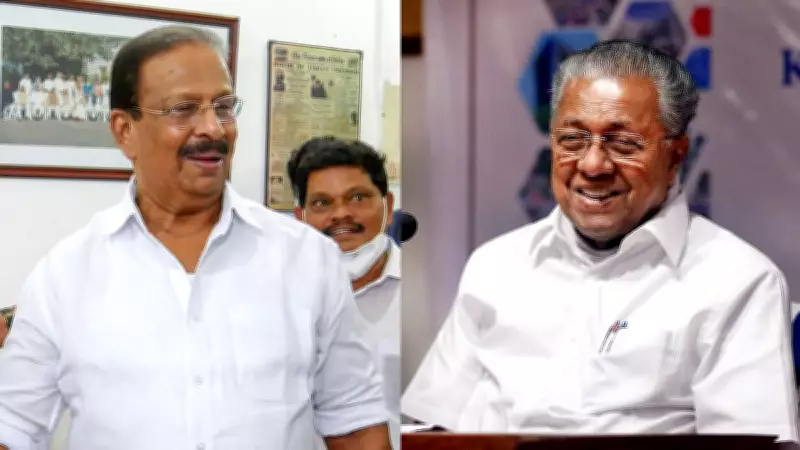
In a dramatic escalation of political tensions in Kerala, Chief Minister Pinarayi Vijayan has ignited a fierce war of words by labeling Congress leader G Sudhakaran's recent rebel bid as 'chettatharam'. This sharp critique, delivered in the context of the upcoming Kerala Assembly Elections 2026, has drawn immediate and fiery responses from the opposition, highlighting the intensifying rivalry between the ruling CPI(M) and the Congress party.
Pinarayi Vijayan's Scathing Critique of Sudhakaran's Political Maneuver
Chief Minister Pinarayi Vijayan, known for his blunt and assertive political style, did not mince words when addressing G Sudhakaran's attempt to challenge the established leadership within the Congress. Using the Malayalam term 'chettatharam', which loosely translates to a foolish or nonsensical act, Vijayan dismissed the rebel move as inconsequential and lacking in strategic merit. His remarks were made during a public address, where he emphasized the stability and unity of his own CPI(M) government in contrast to what he portrayed as internal discord within the Congress ranks.
This verbal attack is seen as a calculated move to undermine Sudhakaran's credibility and rally support for the CPI(M) ahead of the critical 2026 elections. Political analysts suggest that Vijayan's choice of language is intended to resonate with the local electorate, leveraging cultural nuances to frame the opposition as disorganized and ineffective.

G Sudhakaran's Fiery Retort and Defense of His Position
Reacting swiftly to Pinarayi Vijayan's comments, G Sudhakaran launched a counterattack, accusing the Chief Minister of linguistic ignorance and political arrogance. Sudhakaran asserted that Vijayan's use of 'chettatharam' reflects a lack of understanding of many Malayalam words, implying that the remark was baseless and intended solely to provoke. He defended his rebel bid as a legitimate effort to revitalize the Congress party and address what he described as stagnation and complacency within its leadership.
In his response, Sudhakaran highlighted the broader implications of such verbal sparring, arguing that it detracts from substantive issues facing Kerala, such as governance and development. He called for a more respectful and issue-based political discourse, even as he continued to challenge the status quo within his own party. This exchange has not only personalizes the conflict but also sets the stage for a highly charged electoral battle, with both leaders vying for public sympathy and support.
Broader Political Context and Implications for Kerala's Future
The war of words between Pinarayi Vijayan and G Sudhakaran occurs against the backdrop of the approaching Kerala Assembly Elections 2026, a pivotal event that will shape the state's political landscape. Key factors influencing this clash include:
- Party Dynamics: The CPI(M) aims to consolidate its power, while the Congress grapples with internal dissent and leadership challenges.
- Electoral Strategy: Both sides are using rhetoric to mobilize their bases and attract undecided voters, with language and cultural references playing a crucial role.
- Public Perception: The verbal duel may impact how voters view the competence and unity of the competing parties, potentially swaying election outcomes.
As the controversy unfolds, it underscores the deep-seated rivalries and high stakes involved in Kerala politics. Observers note that such exchanges, while often heated, are a common feature of the state's vibrant democratic process, reflecting the passionate engagement of its political actors. The outcome of this war of words could influence not only the immediate electoral prospects but also the long-term trajectories of both the CPI(M) and Congress in Kerala.