Political Showdown in Pawar Stronghold
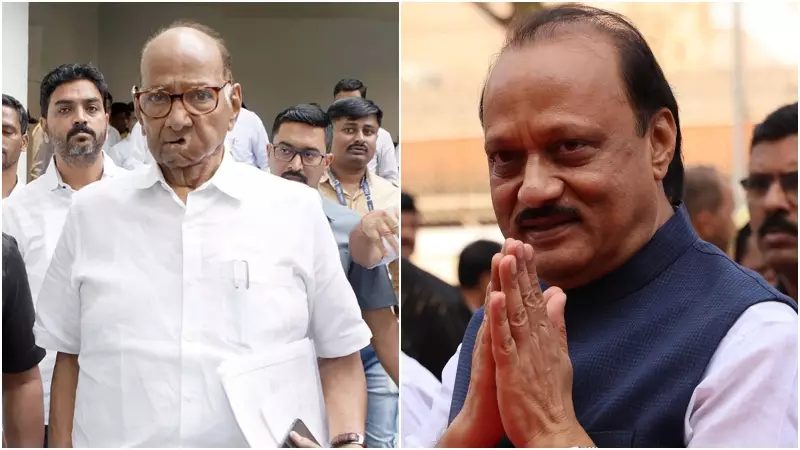
The ongoing family feud within the Pawar political dynasty is set to reach another milestone as the rival factions of the Nationalist Congress Party prepare to battle for control of the Baramati Municipal Council. The elections, scheduled for December 2, 2025, mark the third consecutive electoral confrontation between the groups led by uncle Sharad Pawar and nephew Ajit Pawar since their dramatic political separation.
This civic poll represents a crucial test for both factions in their home turf of Baramati, where the Pawar family has dominated politics for decades. The election comes after both groups secured one victory each in previous contests held last year, setting the stage for a decisive third round in their ongoing political rivalry.
Alliance Strategies and Candidate Profiles
The NCP(SP) led by Sharad Pawar has entered into an alliance with the Shiv Sena (UBT), Congress, and other smaller parties under the Maha Vikas Aghadi (MVA) banner. In contrast, the Ajit Pawar-led NCP has chosen to contest the elections independently, reflecting the deep divisions within what was once a unified political force.
Yugendra Pawar, Sharad Pawar's grandnephew, who previously lost to Ajit Pawar in the Baramati Assembly election, is managing the poll strategy for the NCP(SP). He emphasized the significance of this election for Baramati's democratic future, stating that voters have entrusted the municipal council to his uncle Ajit Pawar for the past 25 years and should now consider giving the NCP(SP)-led alliance an opportunity.
"We will take the development and progress of the area to a new level," Yugendra Pawar declared while announcing the alliance's candidates for the civic polls.
Contrasting Campaign Approaches
The campaign rhetoric highlights the fundamental differences in approach between the two factions. Yugendra Pawar accused the rival camp of seeking to eliminate opposition and control the municipal council without proper debate, emphasizing that "we believe in keeping democracy alive."
He stressed the importance of having both a ruling side and opposition to ensure healthy discussions about Baramati's development issues, contrasting this with what he described as the current practice where corporators merely accept decisions from senior leaders without proper deliberation.
The NCP(SP) leader also highlighted the background of their candidates, noting that all MVA candidates come from "common families" as opposed to the rival front's candidates who include contractors and real estate professionals. He emphasized that their alliance has fielded highly educated candidates including lawyers, doctors, and commerce graduates, while also providing opportunities for youth alongside experienced Baramati leaders.
NCP's Independent Stance and Development Focus
NCP leader Kiran Gujar defended his party's decision to contest independently, stating that Ajit Pawar and the entire Pawar family have been instrumental in Baramati's development and they want to continue this progress for all communities. He acknowledged that while the NCP received fewer votes in the Lok Sabha elections, their performance improved significantly in the Assembly elections, noting that civic polls represent a different dynamic altogether.
Gujar addressed speculation about potential reconciliation between the two NCP factions, revealing that no formal proposal for an alliance had been received from the NCP(SP). He explained that even if such an alliance were considered, it would require sacrificing seats that rightfully belong to loyal party workers, making it an unacceptable arrangement.
The NCP leader expressed respect for Sharad Pawar, noting that Ajit Pawar has repeatedly clarified this position, while acknowledging that party workers ultimately wish for the entire Pawar family to reunite, though this remains beyond their control.
In a significant campaign strategy, Gujar revealed that Ajit Pawar will conduct only two election rallies for party candidates—one at the beginning and another at the end of the campaign period. This limited direct involvement contrasts with the intensive campaigning typically seen in such high-stakes local elections.
The Baramati Municipal Council elections thus represent not just a battle for local governance but a critical chapter in the ongoing saga of one of Maharashtra's most powerful political families, with implications that could reshape the region's political landscape for years to come.