Paniya Tribal Women Make Historic Visit to Tamil Nadu Legislative Assembly
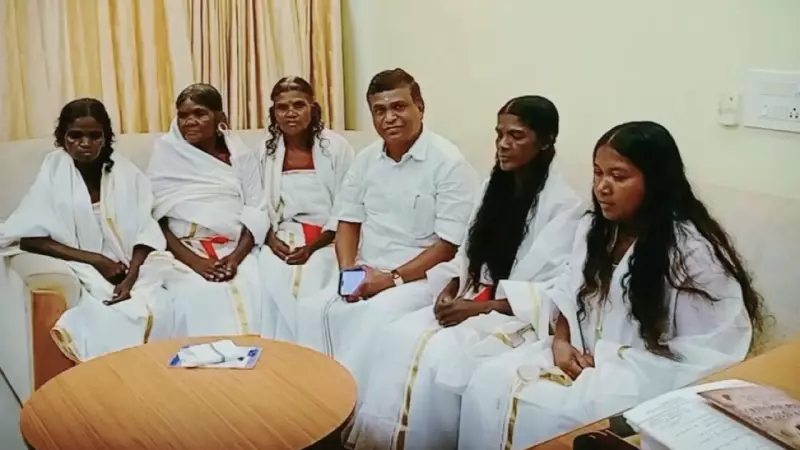
In a remarkable event that bridged remote tribal communities with state governance, five Paniya tribal women from the Nilgiris district visited the Tamil Nadu secretariat in Chennai on Thursday. Dressed in their vibrant traditional attire, they spent nearly an hour observing the proceedings of the legislative assembly from the visitors’ gallery, marking a rare exposure to democratic processes.
Journey from Remote Hamlet to State Capital
The women hail from the secluded Koundankollai tribal hamlet in Devarcholai panchayat, part of the Gudalur constituency. This settlement is so isolated that its residents seldom travel beyond their immediate surroundings. Gudalur MLA Pon Jayaseelan revealed that convincing the women to undertake the long journey to Chennai required considerable persuasion. “They rarely step out of their hamlet or travel far distances. I aimed to bring more members of the tribal community to witness the assembly’s functioning, but only five agreed to make the trip,” he explained, highlighting the logistical and cultural challenges involved.
MLA Advocates for Enhanced Tribal Housing Funds
Jayaseelan expressed his gratitude to Assembly Speaker M Appavu for granting the visitors access to the gallery. He seized this opportunity to raise a critical issue affecting tribal communities: the need for increased financial assistance for housing. Currently, the government provides Rs 5.25 lakh per unit, but Jayaseelan demanded an enhancement to Rs 7.50 lakh. He cited the significant logistical hurdles faced in constructing homes in remote tribal areas, where transportation costs and difficult terrain inflate expenses. This demand underscores the ongoing struggles of tribal populations in accessing basic amenities and government support.

Significance of the Visit for Tribal Inclusion
This visit symbolizes a step towards greater inclusion of tribal communities in India’s democratic framework. By witnessing legislative debates firsthand, the Paniya women gained insight into how laws and policies are formulated, potentially empowering them to engage more actively with local governance. The event also draws attention to the broader issues of tribal welfare, including:
- Access to Government Schemes: Many tribal areas remain underserved due to geographical isolation.
- Housing Challenges: Inadequate funding hampers the construction of durable homes in remote regions.
- Cultural Representation: Encouraging tribal participation in political processes fosters diversity and equity.
As Tamil Nadu continues to address developmental disparities, such initiatives highlight the importance of bridging urban-rural and tribal divides. The Paniya women’s visit not only enriched their understanding but also served as a poignant reminder of the need for sustained efforts in tribal upliftment and policy reform.