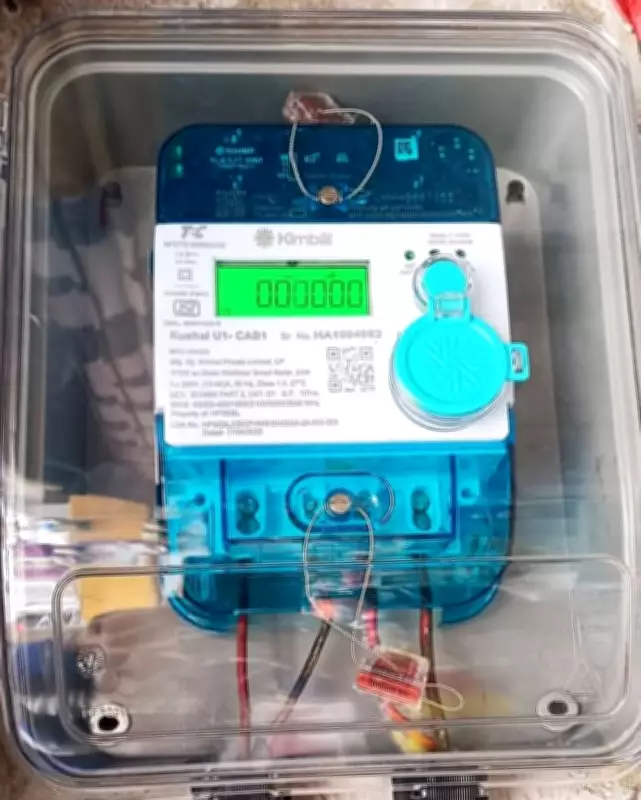
Former MLA in Palampur Raises Concerns Over Smart Power Meters
A former Member of the Legislative Assembly (MLA) from Palampur in Himachal Pradesh has publicly expressed opposition to the installation of smart power meters, casting doubt on the government's underlying motives. This development highlights growing tensions over technological upgrades in the state's electricity infrastructure.
Questioning Government Intentions
The ex-legislator has raised critical questions about the government's intentions behind the rollout of smart meters. According to reports, the former MLA argues that the move may not be solely for efficiency but could have hidden agendas affecting consumers. The opposition centers on concerns that smart meters might lead to increased electricity bills or reduced transparency in billing practices. This skepticism reflects broader public apprehension about the adoption of new technologies in essential services.
Impact on Local Residents
In Palampur, a region known for its scenic beauty and agricultural activities, the installation of smart power meters could have significant implications for residents. The former MLA has emphasized that the government should prioritize consumer interests and ensure that any technological shift does not burden the common people. Local communities are reportedly watching the situation closely, as changes in electricity management could affect daily life and economic activities.

Broader Context in Himachal Pradesh
This opposition comes amid a statewide push for modernizing power distribution systems. Himachal Pradesh has been working on initiatives to improve energy efficiency and reduce losses in the electricity sector. However, the former MLA's stance suggests that such efforts may face resistance if perceived as not aligning with public welfare. Key points of contention include:
- The lack of clear communication from authorities about the benefits and costs of smart meters.
- Potential privacy issues related to data collection from these devices.
- Fears of automated disconnections or penalties without adequate consumer safeguards.
As debates continue, the government may need to address these concerns to gain public trust and ensure smooth implementation of smart grid technologies.