The political landscape in Maharashtra has been jolted by a significant controversy surrounding the recent civic body elections. The opposition has launched a fierce attack on the ruling Maha Yuti alliance, led by the Bharatiya Janata Party (BJP), following reports of candidates winning seats unopposed in various local bodies. The issue has drawn sharp criticism from prominent leaders, turning it into a major flashpoint concerning democratic norms.
Thackeray Duo Leads the Charge Against Ruling Alliance
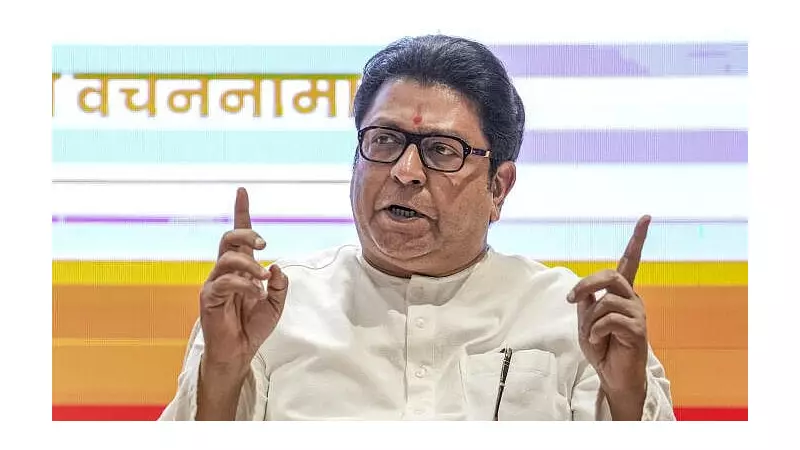
Leading the offensive are the influential Thackeray cousins, Uddhav Thackeray of the Shiv Sena (UBT) and Raj Thackeray of the Maharashtra Navnirman Sena (MNS). Both leaders have separately condemned the BJP and the State Election Commission (SEC) for the situation where several candidates were declared winners without a contest. They have pointed out that this phenomenon, where voters are denied a choice, strikes at the very heart of democratic principles.
Uddhav Thackeray emphasized the seriousness of the matter, stating that such unopposed wins undermine the fundamental right of citizens to elect their representatives. He questioned the role of the election machinery, implying that it failed to ensure a level playing field. Similarly, Raj Thackeray echoed these concerns, labeling the incidents as a dangerous precedent for the state's political future. The criticism centers on the allegation that the ruling coalition used undue influence to prevent opposition candidates from filing nominations, thereby engineering uncontested victories.

The Core of the Controversy: Democracy Under Threat?
The core of the controversy lies in the timing and the implications. The civic polls are a crucial tier of grassroots democracy in Maharashtra, and unopposed wins in multiple seats have raised eyebrows. The opposition alleges that this is not a coincidence but a systematic effort to weaken democratic institutions at the local level. The State Election Commission, the body responsible for conducting these elections, has found itself in the line of fire for allegedly not taking sufficient steps to ensure free and fair nominations.
The issue came to the forefront on January 4, 2026, with leaders voicing their protests and bringing the matter into the national spotlight. The criticism from two significant political figures from the state, who command considerable public support, adds substantial weight to the allegations. It transforms the issue from a local administrative matter into a major political debate about the health of democratic processes in India.
Political Repercussions and the Road Ahead
This development is likely to have significant political repercussions. The opposition, often fragmented in Maharashtra, has found a common cause to rally against the BJP-led government. The charges of sabotaging democratic contests could become a potent weapon in the opposition's arsenal for future elections, both at the local and state level.
The ruling Maha Yuti alliance is yet to issue a detailed counter to these specific allegations. However, the intense scrutiny from the Thackeray cousins and other parties means the government and the SEC will be under pressure to provide clarifications. The incident has undoubtedly cast a shadow over the civic election process, prompting calls for greater transparency and stricter enforcement of electoral codes to prevent such scenarios.
As the story develops, the focus will be on whether the State Election Commission initiates any review of the nomination process in the affected constituencies and how the ruling coalition defends its position. The fundamental question being asked is whether the spirit of democracy was compromised, making this a pivotal moment for Maharashtra's political narrative.