Odisha Chief Minister Mohan Charan Majhi Condemns West Bengal Government's Alleged Snub of President Droupadi Murmu
In a significant political development, Odisha Chief Minister Mohan Charan Majhi has launched a sharp critique against the West Bengal government over reports of a snub directed at President Droupadi Murmu during her recent visit to Siliguri. The controversy has sparked widespread discussion, highlighting tensions between state administrations and raising questions about protocol and respect for constitutional positions.
Majhi's Social Media Post Highlights Symbolic Importance of President Murmu
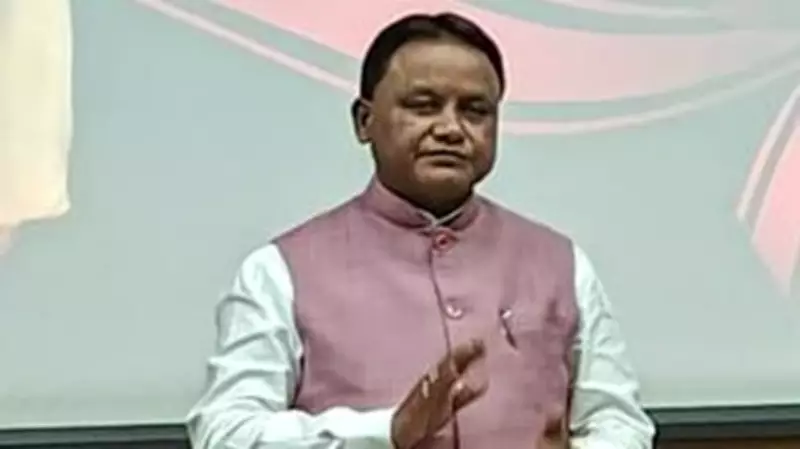
Chief Minister Majhi, who originates from the Santhal community, took to social media to express his disapproval. In his post, he underscored the profound symbolism of President Murmu's journey from Rairangpur to the highest office in the country. Majhi stated that Murmu's ascent represents the aspirations and dreams of millions of people across India, particularly those from marginalized and tribal backgrounds. He emphasized that such a figure deserves utmost respect and dignity from all state governments, regardless of political differences.
Details of the Reported Incident in Siliguri
The incident reportedly occurred during President Murmu's visit to Siliguri, where the West Bengal government is alleged to have shown inadequate protocol or engagement. While specific details of the snub have not been fully disclosed, sources suggest it involved a lack of proper welcome or acknowledgment by state officials. This has led to accusations of disrespect towards the President, a position that holds significant constitutional and ceremonial importance in India.
The timing of this criticism is notable, as it comes amid ongoing political rivalries and debates over federal relations in the country. Majhi's comments have resonated with many who view President Murmu's election as a milestone for tribal representation and empowerment in Indian politics.
Broader Implications for Inter-State Relations and Tribal Representation
This episode raises broader questions about inter-state relations and the treatment of constitutional authorities. Key points include:
- Protocol and Respect: The importance of maintaining proper protocol for high-ranking officials, especially the President, to uphold the dignity of the office.
- Political Dynamics: How such incidents can reflect or exacerbate political tensions between state governments with differing ideologies.
- Symbolic Significance: President Murmu's role as a symbol of progress for tribal communities, making any perceived disrespect particularly sensitive.
- Public Reaction: The potential impact on public opinion and the discourse around inclusivity and respect in governance.
Majhi's stance aligns with his background as a leader from the Santhal community, highlighting his commitment to advocating for tribal rights and recognition. His criticism serves as a reminder of the ongoing struggles for equality and respect faced by marginalized groups in India.
Conclusion: A Call for Unity and Respect
In conclusion, Odisha Chief Minister Mohan Charan Majhi's condemnation of the West Bengal government over the reported snub of President Droupadi Murmu underscores deep-seated issues of respect, protocol, and representation. As the story develops, it will be crucial to monitor responses from both state governments and the broader political landscape. This incident not only highlights personal and political grievances but also calls for a renewed emphasis on unity and mutual respect in India's diverse democracy.