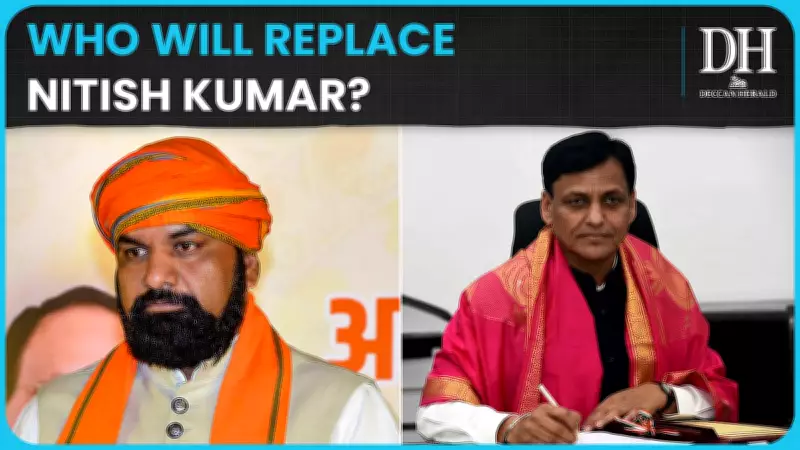
Nitish Kumar Steps Down as Bihar Chief Minister in Political Upheaval
In a dramatic turn of events that has sent shockwaves through Bihar's political landscape, Nitish Kumar has officially resigned from his position as the Chief Minister of the state. This move marks a significant realignment in the power dynamics of one of India's most politically charged regions, potentially heralding a new era of governance under the Bharatiya Janata Party's influence.
Implications of the Resignation and BJP's Strategic Move
The resignation comes amid intense speculation and behind-the-scenes maneuvering, with sources indicating that the BJP is likely to field a leader from the Other Backward Classes community for the chief ministerial role. This strategic decision is seen as an effort to consolidate support among OBC voters, a crucial demographic in Bihar's electoral politics, and could significantly alter the state's political equations in the lead-up to future elections.
Nitish Kumar's tenure, which has been marked by periods of alliance and rivalry with the BJP, now concludes with this unexpected departure. His resignation is expected to trigger a series of political realignments, with the BJP poised to take a more dominant role in the state's administration. The move underscores the volatile nature of Bihar politics, where alliances are often fluid and subject to rapid change.
Potential Candidates and Future Governance
While the identity of the BJP's proposed OBC leader has not been officially confirmed, political analysts suggest that this nomination could be aimed at broadening the party's appeal and addressing caste-based aspirations in Bihar. The selection process is being closely watched, as it will not only determine the next chief minister but also set the tone for governance priorities, including development initiatives, social welfare schemes, and economic policies in the state.
The resignation and subsequent leadership change are likely to have far-reaching consequences, affecting everything from legislative agendas to administrative stability. Stakeholders, including opposition parties and civil society groups, are bracing for potential shifts in policy direction and political strategy as Bihar navigates this transition.
In summary, Nitish Kumar's resignation as Bihar Chief Minister and the BJP's anticipated nomination of an OBC leader represent a pivotal moment in the state's political history, with implications that could resonate beyond Bihar's borders in the broader context of Indian politics.