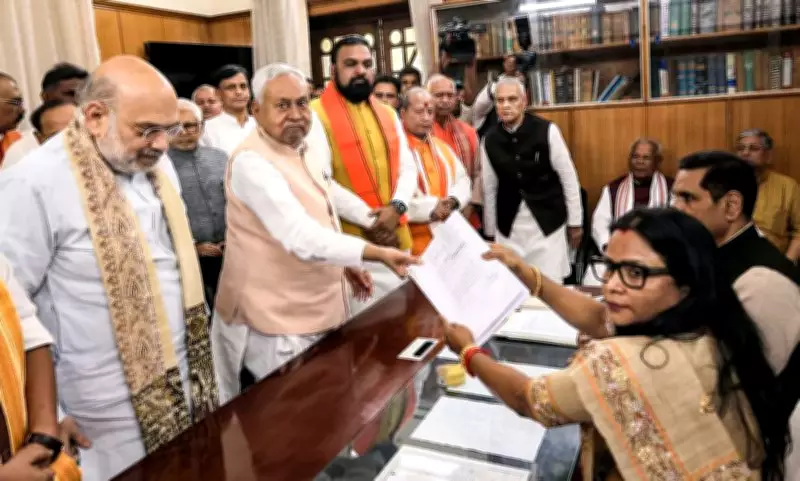
Bihar Chief Minister Nitish Kumar Resigns After Two Decades in Power
In a significant political development, Bihar Chief Minister Nitish Kumar has tendered his resignation, ending his nearly 20-year tenure at the helm of the state government. This move sets the stage for a new leadership structure, with the Bharatiya Janata Party (BJP) expected to nominate a successor, while Nitish Kumar is poised to transition to the Rajya Sabha, India's upper house of Parliament.
A Long and Influential Political Career Comes to a Close
Nitish Kumar, a veteran politician and key figure in Bihar's modern political landscape, first assumed the chief minister's office in 2005. Over the years, he has been credited with implementing various governance reforms and development initiatives that have shaped the state's trajectory. His resignation marks the end of an era characterized by his leadership, often in alliance with national parties, including the BJP and others.
The decision to step down comes amid evolving political dynamics and strategic realignments within the state and at the national level. Sources indicate that this move is part of a broader plan to facilitate a smooth transition of power, ensuring stability in Bihar's administration while allowing Nitish Kumar to take on a new role in national politics.
BJP Poised to Lead Successor Government
With Nitish Kumar's resignation, the BJP is anticipated to play a pivotal role in forming the next government in Bihar. The party, which has been a key ally in the ruling coalition, is likely to nominate a chief minister from its ranks, signaling a shift in the state's political leadership. This development could strengthen the BJP's influence in Bihar, a crucial state in Indian politics, ahead of upcoming elections and policy initiatives.
The transition is expected to be managed through constitutional processes, with the governor of Bihar overseeing the formation of a new government. Political analysts suggest that this change may lead to renewed focus on governance and development agendas, as the new leadership seeks to build on past achievements and address ongoing challenges.
Nitish Kumar's Move to Rajya Sabha: A New Chapter
As part of this political reshuffle, Nitish Kumar is set to enter the Rajya Sabha, where he will represent Bihar. This move allows him to continue contributing to legislative and policy matters at the national level, leveraging his extensive experience in state governance. His entry into the upper house is seen as a strategic step to maintain his political relevance and influence, while also supporting the BJP-led coalition's objectives in Parliament.
Key implications of this transition include:
- Enhanced National Role: Nitish Kumar's presence in the Rajya Sabha could bolster the BJP's legislative agenda, particularly on issues related to Bihar and broader national policies.
- Political Stability: The planned succession aims to ensure a stable government in Bihar, minimizing disruptions in administration and public services.
- Future Alliances: This development may reshape political alliances in Bihar, influencing future electoral strategies and coalition dynamics.
Overall, Nitish Kumar's resignation and subsequent move to the Rajya Sabha represent a landmark moment in Bihar's political history, with far-reaching consequences for the state's governance and India's federal politics. Observers will be closely watching how the new leadership navigates the challenges and opportunities ahead.