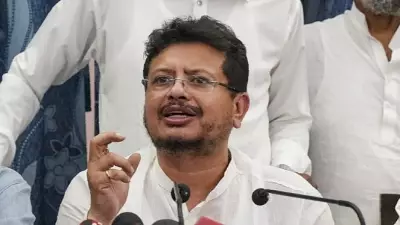
Nawada Creates Political History with Women MLAs Election
In a remarkable development that is setting new standards for political representation in India, Nawada district has emerged as a trailblazer in electing women Members of Legislative Assembly. This significant achievement marks a turning point in Bihar's political landscape and serves as an inspiring example for other constituencies across the nation.
The Groundbreaking Achievement
The election results from Nawada have demonstrated a progressive shift in voter mindset and political participation. The district has successfully elected multiple women representatives to the state legislative assembly, creating a benchmark that other regions are now looking to emulate. This unprecedented outcome reflects the changing dynamics of Indian democracy where gender barriers in politics are gradually being dismantled.
This achievement is particularly significant in the context of Bihar's political history, where women's representation has seen steady but challenging progress over the decades. The successful election of women MLAs from Nawada indicates a maturing electoral process and growing acceptance of women leadership at the grassroots level.

Broader Implications for Indian Politics
The Nawada model of women's political representation carries important lessons for the entire country. It demonstrates that when given equal opportunities and platform, women candidates can not only contest elections but win them convincingly. This development comes at a crucial time when discussions about women's reservation in legislatures continue to dominate political discourse.
Political analysts are viewing this as a watershed moment in Bihar's electoral politics. The success of women candidates in Nawada is expected to inspire more women to enter active politics and contest elections in future. This could potentially lead to a more balanced and inclusive political representation in state assemblies across India.
The Nawada example also highlights the importance of grassroots political mobilization and voter education. The electorate's willingness to support qualified women candidates regardless of gender stereotypes sets a powerful precedent for other constituencies to follow.
The Road Ahead for Women in Politics
While celebrating this achievement, it's important to recognize that this is just the beginning of a longer journey toward gender parity in Indian politics. The Nawada success story should serve as a catalyst for similar developments in other districts and states.
This breakthrough in women's political representation could potentially influence policy decisions and legislative priorities in the state assembly. With more women voices in the legislative process, issues affecting women and families might receive greater attention and more effective solutions.
As Nawada sets this new benchmark, all eyes will be on how this translates into effective governance and whether other constituencies will follow suit in the upcoming elections. The district has undoubtedly written a new chapter in India's democratic evolution, proving that inclusive politics is not just an ideal but an achievable reality.