Maharashtra Opposition Faces Internal Rift Over Raj Thackeray
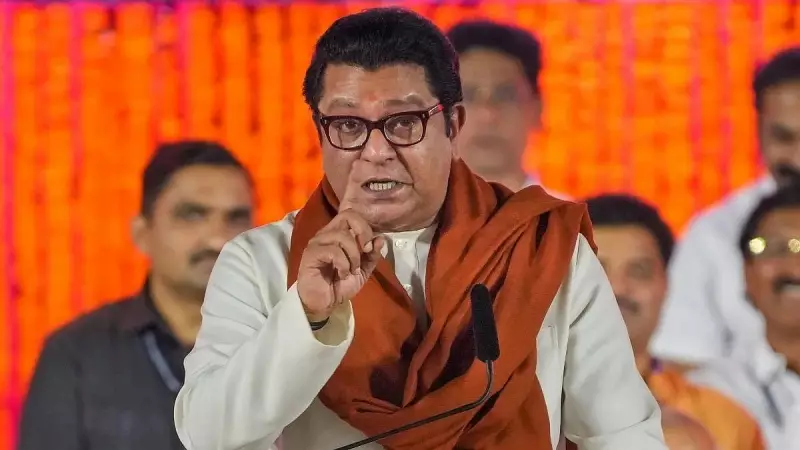
The Maha Vikas Aghadi (MVA) alliance in Maharashtra is experiencing significant internal disagreements regarding the potential inclusion of Raj Thackeray and his Maharashtra Navnirman Sena (MNS) into the opposition coalition. This development comes as political realignments take shape ahead of crucial electoral battles.
Uddhav Thackeray's Crucial Consultations
To address the growing divide within the alliance, Uddhav Thackeray is expected to initiate high-level discussions with senior Congress leadership. According to sources, he plans to speak with Mallikarjun Kharge, who serves as both the Congress President and the Leader of the Opposition in the Rajya Sabha. Additionally, consultations with Rahul Gandhi, the Leader of the Opposition in the Lok Sabha, are also on the agenda.
The political landscape in Maharashtra has become increasingly complex since the split in the Shiv Sena, with various factions maneuvering for position. Raj Thackeray's potential entry into the MVA fold represents a significant shift that could alter the balance of power within the state's opposition politics.
Timeline and Political Implications
These developments were reported on November 9, 2025, indicating the ongoing nature of these political negotiations. The divided opinions within the MVA highlight the challenges opposition parties face in presenting a united front against the ruling coalition.
The inclusion of Raj Thackeray could potentially strengthen the opposition's position in certain regions, but it also risks alienating some traditional support bases. Political analysts suggest that Uddhav Thackeray's upcoming discussions with Congress leaders will be crucial in determining whether the MVA can reach a consensus on this matter.
As Maharashtra politics continues to evolve, the outcome of these negotiations could have far-reaching implications for the state's political alignment and the broader opposition strategy at the national level.