Heavy Rainfall Triggers Widespread Flooding and Disruptions
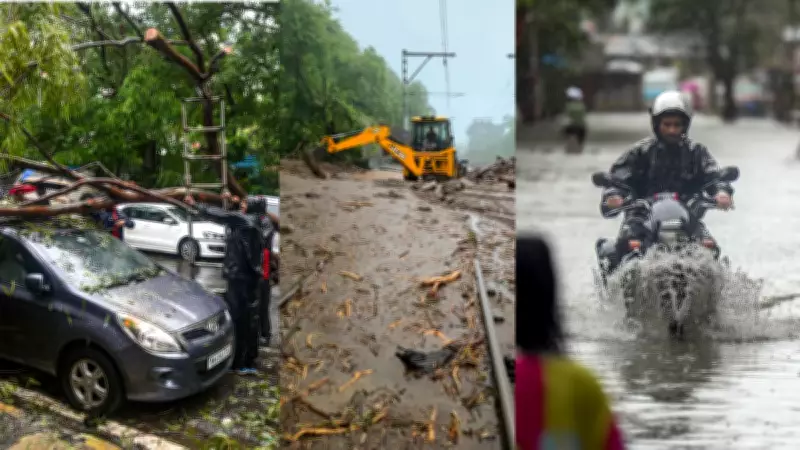
Mumbai experienced relentless heavy rainfall on July 6, 2026, leading to severe flooding in low-lying areas, uprooted trees, and significant traffic disruptions across the city. The India Meteorological Department (IMD) issued a red alert for Mumbai and surrounding regions, predicting continued downpours over the next 24 hours.
According to the Brihanmumbai Municipal Corporation (BMC), several areas recorded over 200 mm of rainfall within 12 hours, including Colaba, Santacruz, and Andheri. The flooding affected major roads such as the Western Express Highway, Eastern Express Highway, and the Bandra-Worli Sea Link, causing long traffic jams.
Schools and Colleges Closed as Precautionary Measure
In response to the severe weather, the Maharashtra government declared a holiday for all schools and colleges in Mumbai, Thane, and Navi Mumbai on July 7. An official from the state education department stated, "The safety of students is our top priority. Given the red alert and waterlogging in many areas, it is prudent to keep educational institutions closed."

The decision affected over 1.5 million students across more than 7,000 schools. Many parents welcomed the move, as commuting had become hazardous due to waterlogged roads and fallen debris.
Fallen Trees and Infrastructure Damage
The BMC reported over 150 incidents of trees falling across the city, damaging vehicles and blocking roads. In the Malad area, a large tree collapsed on a parked car, but no injuries were reported. The civic body deployed emergency teams to clear the debris and restore traffic flow.
Power outages were reported in several neighborhoods, including Dadar, Bandra, and Powai, due to snapped power lines. The Maharashtra State Electricity Distribution Company Limited (MSEDCL) said repair work was underway but warned that restoration might take time due to ongoing rain.
Local train services, the lifeline of Mumbai, were severely affected. The Central Railway and Western Railway suspended services on some routes due to waterlogging on tracks. Commuters faced immense hardship, with many stranded at stations for hours. One commuter, Rajesh Sharma, said, "I waited for over two hours at Dadar station. The trains were delayed or cancelled. It was a nightmare."
Emergency Services and Rescue Operations
The National Disaster Response Force (NDRF) and local fire brigade teams were deployed to rescue people stranded in flooded areas. In the Dharavi slum, water levels rose to waist height, forcing residents to evacuate. Temporary shelters were set up in schools and community halls.
The BMC activated its disaster management control room and urged citizens to stay indoors unless absolutely necessary. An official from the BMC said, "We have deployed pumps to drain water from low-lying areas. Citizens are advised to avoid venturing out and to use helpline numbers for assistance."
Flight operations at Chhatrapati Shivaji Maharaj International Airport were also impacted, with several flights delayed or diverted. Airport authorities advised passengers to check with airlines before heading to the airport.
Weather Forecast and Precautionary Advice
The IMD has forecast more heavy rainfall over the next two days, with the monsoon trough expected to remain active. A senior IMD meteorologist said, "The red alert indicates very heavy to extremely heavy rainfall. We advise people to avoid non-essential travel and stay away from waterlogged areas."
Authorities have also warned of potential landslides in hilly areas like the Powai and Ghatkopar regions. Residents in vulnerable zones have been advised to move to safer locations.