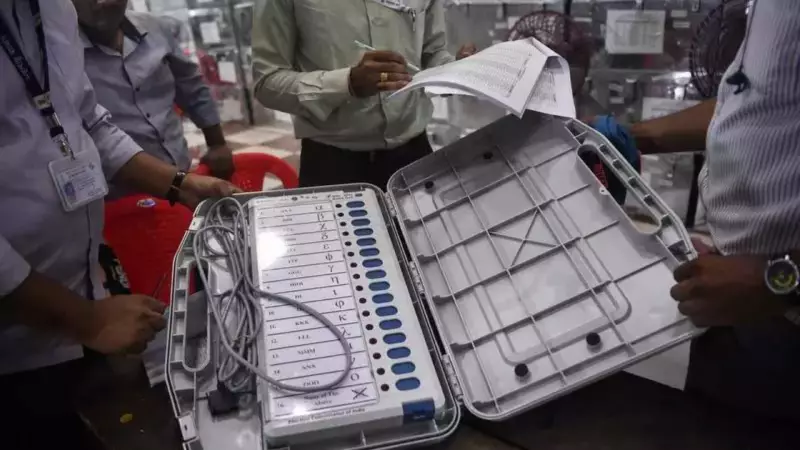
Mumbai witnessed a notable trend in its recent civic elections. A growing number of voters across the Mumbai Metropolitan Region chose the NOTA option. This move underscores widespread voter dissatisfaction. Established parties managed to retain control, but the NOTA surge tells a different story.
BMC Elections See Over One Lakh NOTA Votes
In the 2026 BMC elections, more than one lakh voters opted for NOTA. This figure comes from a total of 54.64 lakh votes polled. NOTA accounted for nearly 1.8% of the overall turnout. The numbers reveal a clear message from the electorate.
NOTA Votes Exceed Winning Margins in Key Wards
In at least eight wards, NOTA votes surpassed the winning margins. This situation indicates that election results could have shifted. If those NOTA votes had gone to rival candidates, outcomes might have changed.

Consider Mulund's Ward 106. BJP candidate Prabhakar Shinde lost by a narrow margin of 164 votes to MNS candidate Satyawan Dalvi. Meanwhile, 610 voters chose NOTA in that ward. The NOTA count here was significantly higher than the winning margin.
In Ward 191, Shiv Sena (UBT) candidate Vishakha Raut secured victory by 197 votes. However, 772 voters in that ward selected NOTA. Again, NOTA votes outnumbered the margin of victory.
Kalina presented another close contest. Tulip Miranda won by just seven votes. This slim margin contrasted with 269 NOTA votes recorded in the same ward.
High NOTA Numbers in Direct Contests
At least three other wards experienced direct contests. In these areas, over 1,000 NOTA votes were recorded. Although winning margins were larger in these wards, the high NOTA figures still highlight voter discontent.
NMMC Elections Mirror the Trend
A similar surge in NOTA votes occurred in the NMMC elections. Voters cast 73,559 NOTA votes in this election cycle. This number marks a sharp increase from the 5,391 NOTA votes recorded in 2015.
Nerul recorded the highest NOTA count at 2,398 votes. In contrast, Belapur saw the lowest NOTA tally with 189 votes. The variation across regions shows differing levels of voter dissatisfaction.
The rising NOTA trend in Mumbai's civic elections sends a strong signal. Voters are expressing their frustration with available choices. This development could influence future political strategies in the region.