Madhya Pradesh Village Residents Impose Social Boycott Over Love Marriages
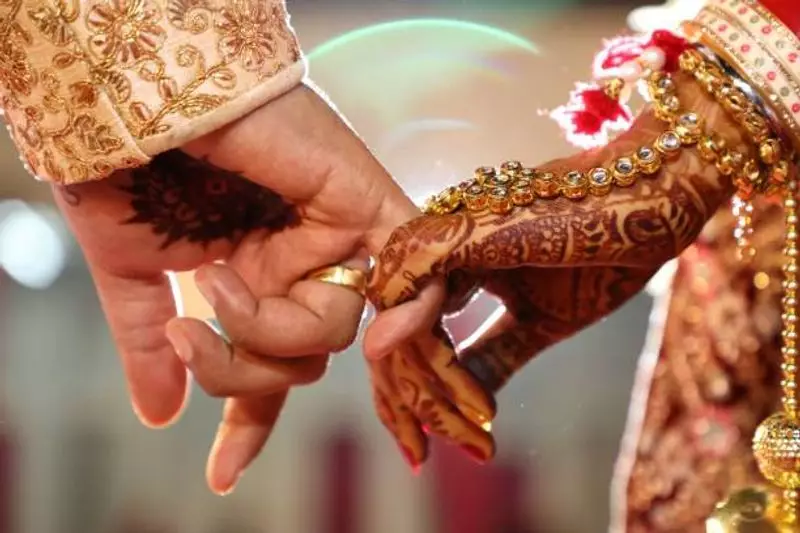
In a controversial move that has drawn administrative attention, residents of a village in Madhya Pradesh have declared a social boycott against families whose members have entered into love marriages. This decision, rooted in traditional and caste-based objections, has sparked significant concern among local authorities, who have now ordered immediate action to resolve the situation.
Background of the Social Boycott
The social boycott was initiated by village residents who oppose love marriages that cross caste or community lines. According to reports, the boycott involves ostracizing families, cutting off social interactions, and denying them participation in community events. This measure is seen as an attempt to enforce social norms and discourage such unions, which are often viewed as transgressions against established customs.
The administration has stepped in after learning about the boycott, highlighting the legal and ethical implications of such actions. Social boycotts are illegal under Indian law, particularly under provisions that protect individual rights and promote social harmony. The local authorities have emphasized that such practices cannot be tolerated in a democratic society.

Administrative Response and Legal Framework
In response to the boycott, the Madhya Pradesh administration has issued orders for immediate action to address the issue. Officials have been directed to engage with the village residents, educate them about the legal consequences of social boycotts, and ensure that the affected families are protected. The administration is also working to mediate between the conflicting parties to foster understanding and reconciliation.
This incident underscores the ongoing challenges in balancing traditional values with modern legal standards in rural India. While love marriages are increasingly common and protected under law, they often face resistance in conservative communities. The administration's intervention aims to uphold the rule of law while respecting cultural sensitivities.
Broader Implications and Community Impact
The social boycott in this Madhya Pradesh village has broader implications for social cohesion and individual freedoms. It raises questions about the persistence of caste-based discrimination and the enforcement of social norms through collective pressure. Such incidents can lead to:
- Violations of fundamental rights, including the right to equality and freedom of choice.
- Increased tension within communities, potentially escalating into conflicts.
- Negative impacts on the mental and social well-being of affected families.
Administrative efforts are focused on preventing these outcomes by promoting dialogue and legal awareness. The goal is to create an environment where individuals can exercise their rights without fear of social reprisal.
Conclusion and Future Steps
As the Madhya Pradesh administration takes action against the social boycott, this case serves as a reminder of the need for continuous efforts to bridge the gap between tradition and modernity. By enforcing laws against social boycotts and encouraging inclusive practices, authorities hope to prevent similar incidents in the future. The resolution of this issue will likely involve a combination of legal measures, community engagement, and educational initiatives to foster a more tolerant society.