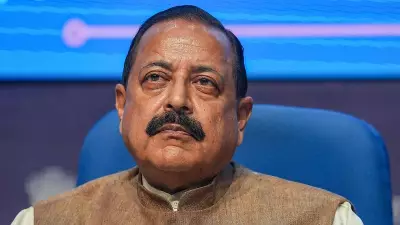
RSS Chief's Significant Manipur Visit Amid Ongoing Tensions
In a significant development, Rashtriya Swayamsevak Sangh (RSS) chief Mohan Bhagwat arrived in Manipur on Thursday, marking his first visit to the northeastern state since ethnic violence erupted between Meitei and Kuki-Zo communities two years ago. The three-day trip represents a crucial engagement with a region still grappling with the aftermath of prolonged conflict.
Centenary Celebrations and Closed-Door Engagements
The visit forms part of the RSS's centenary celebrations, with Bhagwat's schedule packed with multiple closed-door interactions. According to RSS officials, his engagements will remain largely internal, carefully aligned with the organization's hundred-year anniversary programs. The itinerary reflects a strategic approach to understanding ground realities while maintaining organizational protocols.
On his arrival day, Bhagwat is scheduled to meet entrepreneurs and eminent individuals at Konjeng Leikai in Imphal. This session aims to connect with the business community and influential figures who have witnessed the state's transformation through challenging times.

Comprehensive Tribal and Community Interactions
Friday's agenda includes particularly significant discussions with tribal leaders from the Manipur hills. These conversations are expected to address the complex ethnic dynamics that have shaped the region's recent history. Separate sessions with youth leaders and prominent citizens are also strategically planned throughout his stay.
Notably absent from the schedule is any visit to relief camps, where thousands of internally displaced people continue to reside since violence first broke out in May 2023. This omission highlights the focused nature of Bhagwat's current mission, centered on organizational engagements rather than humanitarian assessments.
The RSS chief's visit comes at a critical juncture for Manipur, where communities remain deeply affected by the ongoing ethnic tensions. His interactions with diverse stakeholders could potentially influence future dialogue and reconciliation efforts in the region.