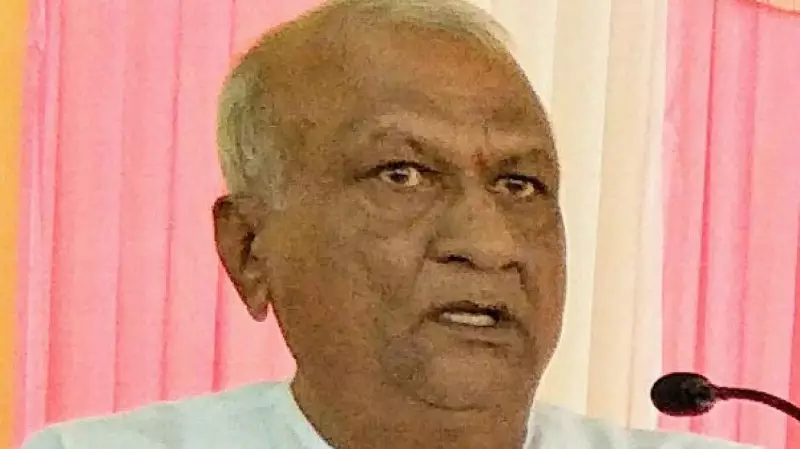
In a significant political development that has reignited a long-standing regional debate, Congress MLA Bharamgouda Kage, popularly known as Raju Kage, has thrown his weight behind the demand for a separate state of North Karnataka. The legislator's declaration has brought fresh attention to the decades-old movement seeking statehood for the northern regions of Karnataka.
Renewed Push for Statehood
MLA Raju Kage announced his support for the signature campaign initiated by the North Karnataka Struggle Committee, which aims to demonstrate widespread public backing for the creation of a separate state. The movement, which has simmered for generations, gained new momentum with Kage's endorsement on November 12, 2025.
The demand for separate statehood stems from long-standing grievances about regional development disparities. Proponents argue that North Karnataka has historically received less attention and resources compared to the southern parts of the state, particularly the Bengaluru region.

Historical Context and Current Campaign
The separate state movement for North Karnataka dates back several decades, with various organizations and political figures periodically reviving the issue. The North Karnataka Struggle Committee has been at the forefront of the current push, organizing grassroots campaigns and mobilizing public opinion across the region's districts.
Kage's public declaration represents a significant political development, given his position as an elected representative from the Congress party. His support lends institutional credibility to the movement and could potentially influence other political figures to take a stand on the issue.
Political Implications and Regional Dynamics
The revival of the separate state demand comes at a crucial time in Karnataka's political landscape. The issue touches upon sensitive matters of regional identity, resource allocation, and administrative efficiency. Supporters believe that a separate state would better address the unique developmental needs and cultural distinctiveness of North Karnataka.
However, the demand also faces significant challenges, including constitutional hurdles and the need for broader political consensus. The movement's proponents will need to navigate complex political waters while building momentum for their cause.
As the signature campaign gains traction and more political voices join the discussion, the separate state demand for North Karnataka is likely to become an increasingly prominent issue in the state's political discourse, potentially influencing future electoral dynamics and policy priorities.