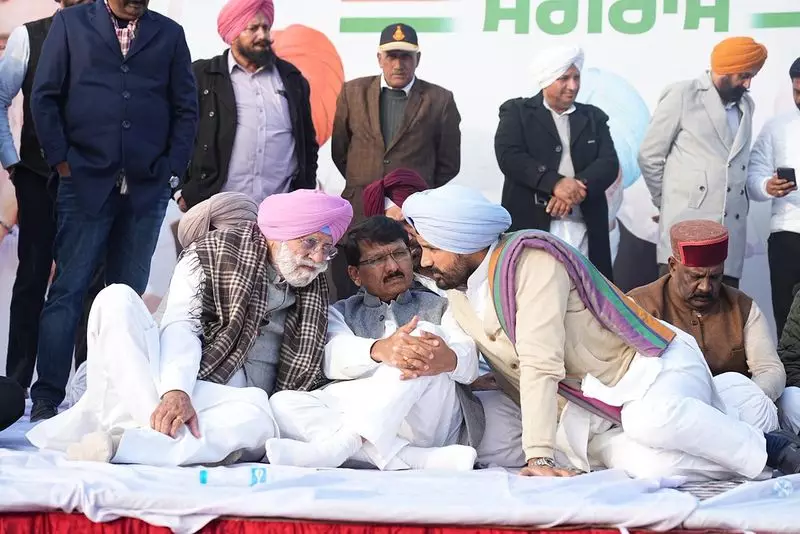
The internal rifts within the Punjab Congress, often played out in public view, have found an unexpected antidote in the form of organized protest rallies. A series of agitations, most notably against the diversion of MGNREGA funds and the hosting of the G20 summit in Kashmir, are emerging as a unifying force for the faction-ridden state unit.
Public Agitation as a Unifying Platform
For years, the Punjab Congress has been grappling with visible internal divisions, primarily between the camps led by Partap Singh Bajwa and Amarinder Singh Raja Warring. This discord has often weakened the party's public stance and organizational effectiveness. However, the recent decision to launch coordinated protest movements on central issues has provided a common stage for these rival factions.
The party has strategically chosen issues that resonate strongly with its voter base and align with its national narrative. The first major rally focused on the alleged diversion of Rs 7,500 crore from the Mahatma Gandhi National Rural Employment Guarantee Act (MGNREGA) scheme by the central government. The second significant protest targeted the Modi government's decision to hold a G20 summit meeting in Srinagar, Jammu and Kashmir.
MGNREGA Fund Diversion: A Rallying Cry
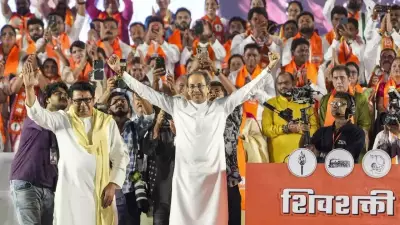
The protest against the MGNREGA fund diversion, held in Patiala, served as a crucial test. Leaders from all factions shared the stage, presenting a rare picture of solidarity. The issue directly impacts rural laborers, a core constituency for the Congress in Punjab. By highlighting the central government's action as an attack on the rural poor, the party managed to channel internal energies into a unified public campaign.
This rally was not just about the funds; it was a demonstration of collective strength. The presence of both Bajwa and Warring, along with other senior leaders, sent a clear message to both the electorate and the party's own rank and file: when it comes to confronting the BJP-led Centre, the Punjab Congress can stand as one.
G20 in Kashmir: A Nationalist Protest Point
The second major rally, opposing the G20 tourism working group meeting in Srinagar, allowed the state Congress to tap into a broader national political discourse. The party framed the event as the Modi government's attempt to project "normalcy" in the region while ignoring underlying tensions and the historical context of Article 370's abrogation.
This protest allowed Punjab Congress leaders to align themselves with the party's national leadership's stance on Kashmir. It transformed a local factional dispute into a participation in a larger ideological battle, thereby elevating the state leaders' profiles and giving them a common purpose that superseded internal squabbles.
A Strategic Blessing in Disguise
Political observers note that these protests are serving multiple purposes for the beleaguered state unit:
- Creating Unity: They force disparate leaders to work together on logistics, messaging, and public appearances.
- Re-engaging the Base: The issues chosen (rural employment, federalism, Kashmir) energize the traditional Congress voter.
- Media Visibility: Aggressive protests guarantee media coverage, keeping the party relevant in the news cycle against a dominant ruling party in the state.
- Pressure Valve: They provide a structured outlet for internal competition, where leaders can showcase their influence and oratory skills on a shared platform without directly attacking each other.
The real test, however, will be the sustainability of this unity. While protests can temporarily bridge gaps, the deep-rooted organizational and personal conflicts within the Punjab Congress require more profound resolution. The upcoming general elections will be the ultimate litmus test. If the factional leaders can convert this protest-based camaraderie into a cohesive electoral strategy, the "blessing in disguise" could have long-term benefits.
For now, the sight of Congress leaders standing shoulder to shoulder against the Centre is a carefully managed image of unity. It demonstrates that the party's state leadership recognizes the existential threat posed by internal discord and is willing to use public agitations as a tool to forge a common front, turning political adversity into an opportunity for renewal.