Manipur Chief Minister Advocates for Forgiveness in First Meeting with Kuki Representatives
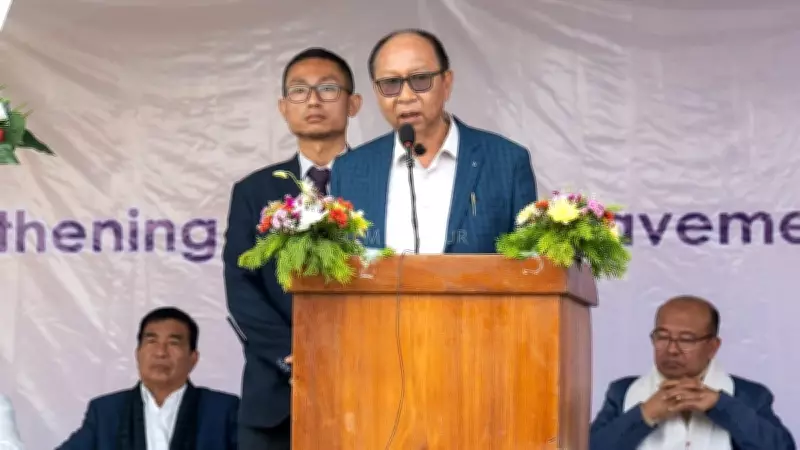
In a significant development aimed at fostering peace, the newly appointed Chief Minister of Manipur has called for a spirit of forgiveness and moving beyond past grievances. This appeal came during the first official meeting with representatives from Kuki groups, marking a pivotal step in addressing the longstanding tensions in the region.
Clarification on Sensitive Areas Versus Buffer Zones
The Chief Minister took the opportunity to clarify a key point of contention, explicitly stating that there are no designated "buffer zones" as previously mentioned by the Kuki groups. Instead, the government has identified certain "sensitive areas" that require careful attention and management to ensure stability and security for all communities involved.
This distinction is crucial as it underscores the administration's approach to handling volatile situations without creating formal divisions that could exacerbate existing conflicts. The emphasis on sensitive areas reflects a nuanced strategy aimed at de-escalation and proactive governance.

Historical Context and Current Efforts
Manipur has been grappling with ethnic tensions, particularly between the Meitei and Kuki communities, which have led to periods of unrest and violence. The Chief Minister's meeting represents a concerted effort to bridge divides and initiate dialogue, building on previous attempts at reconciliation.
By urging both sides to "forgive and forget the past," the Chief Minister is promoting a forward-looking mindset essential for lasting peace. This message resonates with broader national and international calls for conflict resolution through mutual understanding and cooperation.
Implications for Governance and Community Relations
The clarification regarding sensitive areas versus buffer zones is not merely semantic; it has practical implications for how security and administrative measures are implemented. Identifying sensitive areas allows for targeted interventions that can prevent flare-ups while avoiding the stigmatization associated with buffer zones.
This approach aligns with the government's commitment to inclusive governance, ensuring that all voices are heard and considered in the peace-building process. The meeting is seen as a foundational step toward more structured dialogues and collaborative efforts in the future.
Looking Ahead: Path to Sustainable Peace
As Manipur navigates this delicate phase, the Chief Minister's leadership will be critical in maintaining momentum toward reconciliation. Future meetings and initiatives are expected to build on this initial engagement, focusing on concrete actions that address the root causes of tensions.
The call for forgiveness and the clarification on sensitive areas set a positive tone, but sustained efforts from all stakeholders will be necessary to achieve meaningful and enduring peace in the region.