The Narrative War in West Bengal: Mamata Banerjee's Defiance of Political Predictions
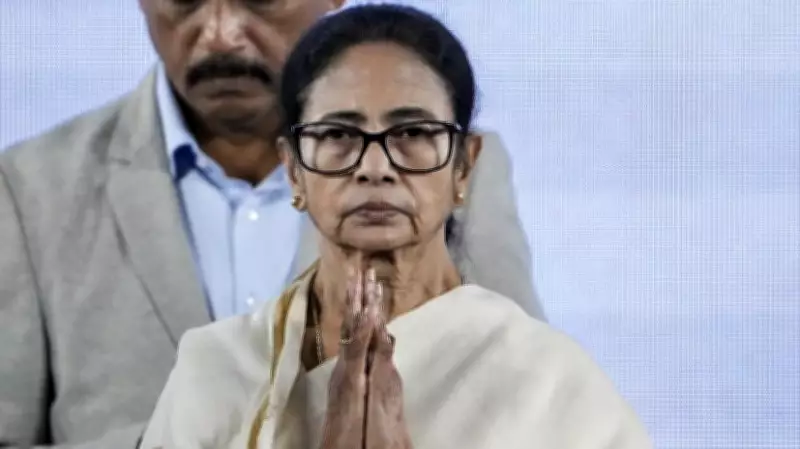
As West Bengal prepares for another crucial electoral battle, Chief Minister Mamata Banerjee stands at the forefront as a seasoned and resilient campaigner. The political landscape of the state has become a fierce arena of competing narratives, with Banerjee repeatedly demonstrating her remarkable ability to defy predictions of her political decline. This ongoing narrative war highlights the dynamic and often unpredictable nature of Indian politics, particularly in a region known for its intense political rivalries.
A Seasoned Campaigner's Strategic Edge
Mamata Banerjee's entry into the election cycle is marked by her extensive experience and tactical acumen. Over the years, she has cultivated a strong grassroots connection, which has been instrumental in her political survival and success. Her campaign strategies often emphasize:
- Direct engagement with voters through rallies and public meetings.
- Effective use of regional issues to resonate with local sentiments.
- Building a narrative of resilience against national political forces.
This approach has allowed her to maintain a significant influence in West Bengal's politics, despite facing formidable opponents and shifting alliances.

Defying Predictions of Political Decline
One of the most striking aspects of Mamata Banerjee's career is her consistent ability to overcome forecasts of her political downfall. Analysts and critics have often predicted her decline, yet she has managed to:
- Secure electoral victories even in challenging circumstances.
- Adapt her political messaging to address emerging issues.
- Leverage her image as a fighter for the people of West Bengal.
This resilience has not only solidified her position but also reshaped the political discourse in the state, making her a central figure in the narrative war.
The Broader Implications for Indian Politics
The ongoing narrative war in West Bengal reflects broader trends in Indian politics, where regional leaders play a pivotal role in shaping national conversations. Mamata Banerjee's ability to defy predictions underscores the importance of:
- Local leadership in countering national political narratives.
- Grassroots mobilization as a key to electoral success.
- The dynamic interplay between state and national politics in India.
As the election approaches, all eyes are on West Bengal to see how this narrative war will unfold and what it might mean for the future of Indian democracy.