Maharashtra Government Reinstates MLAs as Sports Complex Committee Heads
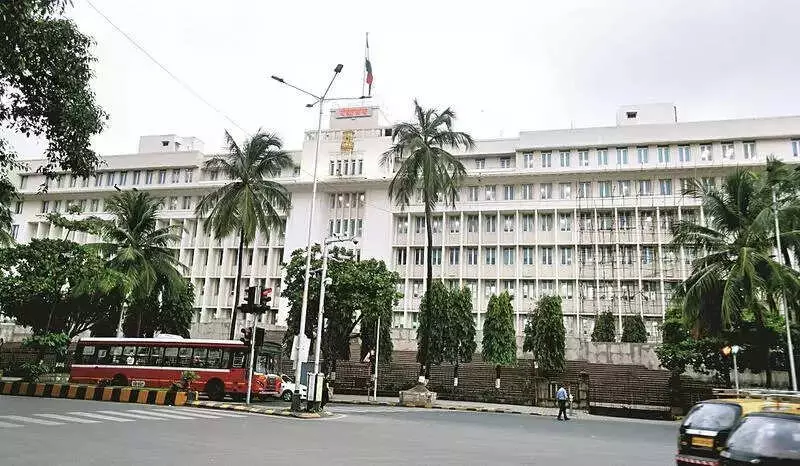
The Maharashtra government has executed a significant policy reversal by scrapping its previous decision to appoint administrative officers as heads of district sports committees. This move effectively brings back local MLAs and guardian ministers to lead these committees, marking a complete U-turn from the October 2025 provision that aimed to eliminate political interference.
Background of the Controversial Decision
In October 2025, following substantial cost escalations exceeding Rs 300 crore on 18 sports complexes, the state sports department under then-minister Manikrao Kokate approved structural changes to sports complex committees. The primary objective was to remove political influence by replacing MLAs and guardian ministers with administrative officers as committee heads.
This decision came against the backdrop of the state sports policy approved in 2001, which envisioned building 426 sports complexes across 10 divisions, 36 districts, and 380 talukas. However, progress has been remarkably slow, with only 165 complexes completed to date.

The Committee Restructuring Timeline
The history of sports committee leadership reveals a pattern of frequent changes:
- Before 2016: Local MLAs served as invited members in sports complex committees without leadership roles
- February 2016: During the first term of the Mahayuti government, committees were restructured to appoint local MLAs as presidents of taluka sports complexes and guardian ministers as presidents of district and divisional complexes
- August 2020: Guardian ministers were appointed to head divisional and district sports complex committees, replacing divisional commissioners and district collectors respectively
- October 2025: Administrative officers were appointed as committee heads to eliminate political interference
- Current Reversal: MLAs and guardian ministers have been reinstated as committee heads
Problems with Political Leadership
Officials explained that the previous system of political leadership created significant obstacles to sports complex development. "Funds were approved for the sports complexes, but local MLAs insisted on building the complexes at sites of their choice," an official revealed. "When things didn't go their way, the MLAs stopped attending committee meetings, resulting in 261 sports complexes being stalled for several years."
The chairperson and member-secretary of these committees hold authorization to approve financial transactions for construction. Delays by political leaders in approving funds led to massive project delays and substantial cost escalations, prompting the original decision to remove them from leadership positions.
Impact of Kokate's Tenure and Resignation
Manikrao Kokate, who spearheaded the move to appoint administrative officers, resigned in December 2025 after a Nashik court issued arrest warrants for him and his brother Vijay in connection with the 1995 EWS housing quota cheating case. His portfolios were subsequently allocated to Deputy Chief Minister Ajit Pawar.
Kokate's restructuring had significantly affected several MLAs, particularly those from rural areas, by removing their leadership roles from sports complex committees. Under his system, taluka sports committees were handed over to local officials, district sports complexes to district collectors, and divisional sports complexes to divisional commissioners.
Current Implications and Future Concerns
The new government resolution that brings back political leaders to head sports complex committees raises questions about whether the previous problems of delays and cost escalations will resurface. The reversal comes despite clear evidence that political interference had previously stalled 261 sports complexes for years and contributed to cost overruns exceeding Rs 300 crore.

This development highlights the ongoing tension between administrative efficiency and political representation in infrastructure development projects. As Maharashtra continues its pursuit of completing the remaining 261 sports complexes from its original 2001 plan, the effectiveness of this leadership structure will be closely monitored by stakeholders and citizens alike.