The Maharashtra government, led by Chief Minister Eknath Shinde, has announced a significant financial boost for beneficiaries of the Ladli Behna scheme. A sum of Rs 3,000 will be directly transferred to the accounts of eligible women on the occasion of Makar Sankranti, which falls on January 14. This move, however, has been met with immediate criticism from the opposition Congress party, which has questioned the timing and motives behind the disbursement.
Details of the Makar Sankranti Transfer
The announcement was made by Women and Child Development Minister Aditi Tatkare. The funds are slated for transfer on January 14, 2026, coinciding with the Makar Sankranti festival. This initiative is part of the state's broader Ladli Behna Yojana, a welfare scheme designed to provide financial assistance to women from economically weaker sections. The direct benefit transfer (DBT) mechanism will be used to ensure the amount reaches the intended beneficiaries seamlessly into their bank accounts.
Minister Tatkare emphasized that the transfer is a festive gift from the government to support the women of Maharashtra. The scheme is a key component of the current administration's focus on women's empowerment and economic support. The government has outlined the following key points regarding the transfer:

- The amount is Rs 3,000 per eligible beneficiary.
- Transfer will be executed via Direct Benefit Transfer (DBT).
- The scheduled date for the credit is January 14, 2026 (Makar Sankranti).
- The scheme falls under the purview of the Women and Child Development Department.
Congress Raises Strong Objections
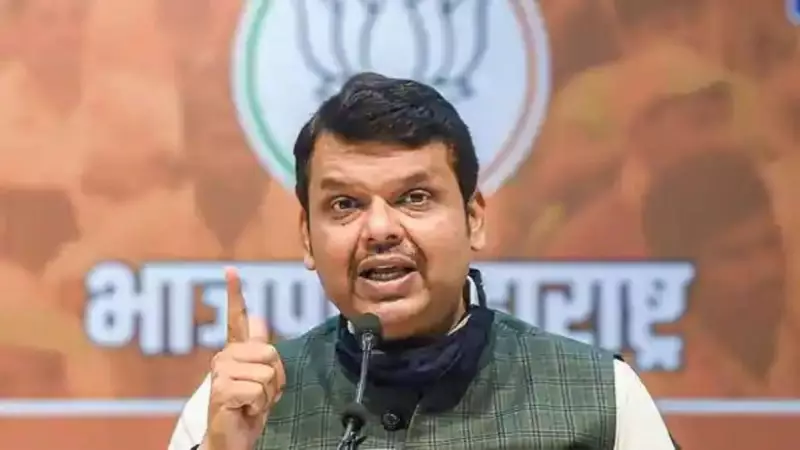
The announcement did not go unchallenged. The Congress party in Maharashtra has voiced strong objections to the move. State Congress chief, Nana Patole, has been vocal in his criticism, accusing the ruling government of using public funds for political gains. The primary objections raised by the Congress include:
Questionable Timing: Patole alleged that the transfer is strategically timed ahead of potential elections or to gain political mileage, rather than being a genuine welfare measure. He suggested the government is attempting to influence voters through populist announcements.
Lack of Transparency in Funding: The opposition has demanded clarity on the source of funds for this disbursement. They have questioned whether the allocation was part of the official budget or an off-budget expense, raising concerns about fiscal responsibility.
Undermining Established Schemes: Critics within the Congress have also hinted that such announcements might be an attempt to overshadow or rebrand central or previous state government schemes for political credit.
Political Implications and Government's Stance
This development has ignited a fresh political debate in the state. The Eknath Shinde-led government is likely to frame this transfer as a testament to its pro-women and pro-poor governance. For the ruling alliance, it is an opportunity to solidify its support base among women voters, a crucial demographic.
On the other hand, the Congress's aggressive stance aims to puncture the government's narrative and portray it as opportunistic. The party is attempting to steer the public discourse towards issues of fiscal prudence and the alleged misuse of state machinery for electoral benefits.
As of now, the government has not officially responded to the Congress's allegations regarding the funding source. The focus remains on the upcoming transfer. The actual impact of this scheme, both in terms of public perception and on-ground welfare, will become clearer post the Makar Sankranti disbursement. The event sets the stage for continued political wrangling over welfare politics in Maharashtra.