Maharashtra Municipal Polls See Escalation with Bhagwa Guard Deployment
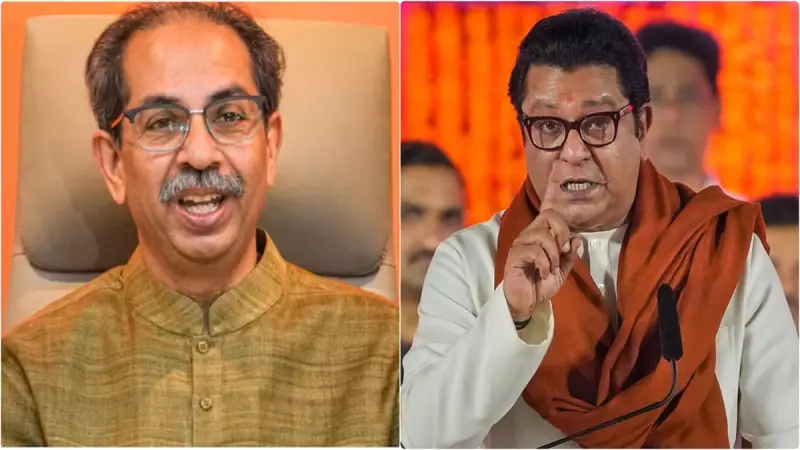
The political atmosphere in Maharashtra is heating up ahead of the crucial municipal elections. Two prominent political parties, the Maharashtra Navnirman Sena (MNS) and Shiv Sena UBT, have announced a bold move. They plan to deploy volunteers dressed in Bhagwa, or saffron attire, outside polling booths on January 15. This decision is sparking widespread discussion and raising eyebrows across the state.
Parties Take a Stand with Symbolic Presence
MNS and Shiv Sena UBT leaders made their intentions clear in recent statements. They argue that the Bhagwa guards will serve as a symbolic presence to ensure fair voting processes. The volunteers aim to monitor activities at polling stations and prevent any potential malpractices. This step underscores the high stakes involved in these local elections.
Political analysts note that such deployments are not entirely new in Indian politics. However, the timing and scale of this move add a fresh layer of intensity. With municipal councils playing a key role in grassroots governance, every party is pulling out all stops to secure victory.

Security Concerns and Official Reactions
The announcement has immediately drawn attention from election authorities and security agencies. Officials express concerns about maintaining law and order during the polling day. They emphasize that only authorized personnel should be present near booths to avoid any disruptions.
Local police departments are reportedly reviewing their security plans in response. They might increase patrols and deploy additional forces to ensure a smooth voting process. The Election Commission of India has strict guidelines against any form of intimidation at polling stations.
Opposition parties have also weighed in on the matter. Some criticize the move as a tactic to influence voters through visible party symbols. Others question the legality of having party-affiliated individuals so close to voting areas.
What This Means for Voters and the Election Outcome
For the average voter in Maharashtra, this development adds a new dimension to election day. Many residents are now more aware of the heightened political activity around them. It could impact voter turnout and perceptions of safety at polling booths.
The success of this strategy remains to be seen. Will the Bhagwa guards deter unfair practices, or will they create an atmosphere of tension? Only the events of January 15 will provide clear answers. One thing is certain: these municipal polls are turning into a closely watched contest with significant implications for local governance.
As the date approaches, all eyes are on Maharashtra. The state's political landscape continues to evolve, with every move scrutinized by supporters and critics alike. This deployment of Bhagwa guards marks another chapter in the dynamic and often unpredictable world of Indian elections.