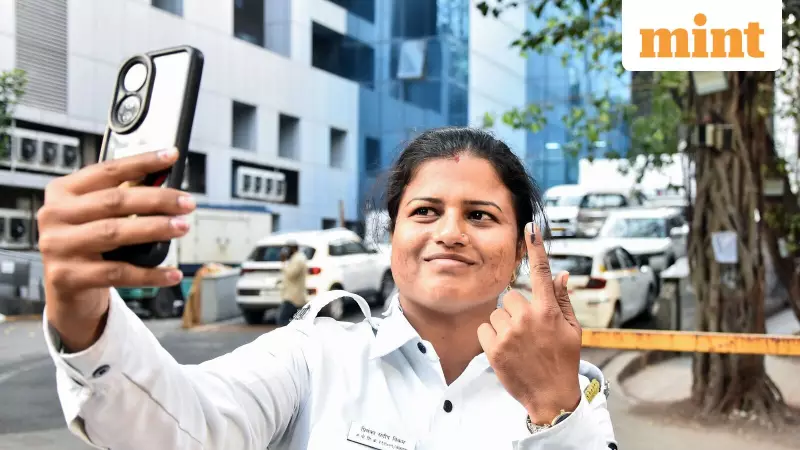
Voters in Maharashtra will head to the polls on January 15 to elect representatives for 29 municipal corporations. This includes the crucial Brihanmumbai Municipal Corporation, widely known as the BMC. More than 15,000 candidates are competing across the state for these local government positions.
High-Stakes Contest for India's Richest Civic Body
In Mumbai alone, a fierce battle unfolds. Approximately 1,700 candidates are vying for 227 wards within the BMC. The winner gains control of India's wealthiest municipal corporation. For the 2025-26 fiscal year, the BMC operates with a staggering budget of ₹74,427 crore. This marks a record high, showing an increase of about 14 percent from the previous year's estimates.
The corporation has functioned under an appointed administrator since March 2022. This arrangement followed the expiration of the elected corporators' term. The absence of an elected house has heightened the significance of these upcoming polls.

A Municipal Budget That Dwarfs State Finances
The scale of the BMC's financial plan is extraordinary. Its budget surpasses the entire annual expenditures of several Indian states. These state budgets cover comprehensive services like healthcare, education, police, infrastructure, and public welfare.
For comparison, consider these state budgets for the 2025-26 period:
- Goa: ₹28,162 crore
- Arunachal Pradesh: ₹39,842 crore
- Himachal Pradesh: ₹58,514 crore
- Sikkim: ₹16,196 crore
- Tripura: ₹31,412 crore
Other major cities also operate with significantly smaller municipal budgets. The Municipal Corporation of Delhi proposed a ₹16,530 crore plan for 2026-27. Bengaluru's Bruhat Bengaluru Mahanagara Palike passed a budget of around ₹19,930 crore for 2025-26. Ranchi Municipality's total budget is less than one percent of the BMC's massive outlay.
Understanding the BMC's Financial Muscle
The Brihanmumbai Municipal Corporation, established under an 1888 act, governs Mumbai's civic infrastructure and administration. Its financial strength stems from a robust and growing revenue base.
Earnings come primarily from fees, taxes, development charges, and investment income. For the 2024-25 fiscal year, revised revenue income estimates reached ₹40,693.85 crore. Actual collections until December 31, 2024, stood at ₹28,308.37 crore.
Looking ahead, the BMC estimates revenue income of about ₹43,159.40 crore for 2025-26. This figure is 20.73 percent higher than the initial estimates for the previous year. Property tax collections show a positive trend, with estimates revised upward from ₹4,950 crore to ₹6,200 crore for 2024-25.
Where Does the Money Go?
The BMC allocates its vast resources across critical city services. A major portion, ₹43,166 crore or 58 percent of the total budget, is earmarked for capital expenditure. This funds long-term infrastructure projects.
Key spending areas include:
- Development of roads, bridges, and sewage systems
- Public health management and healthcare services (at least 10% of the budget)
- Education and related infrastructure
- Employee wages and pensions
- City security and upkeep
In 2024, the corporation invested 47 percent of its revenue on Mumbai's infrastructure. Over the last decade, it has spent approximately ₹11,1600 crore on city upgrades and maintenance.
Specific initiatives include installing 100 battery suction machines across its 24 wards. The BMC also provides substantial financial support to the Brihanmumbai Electric Supply and Transport (BEST). From 2012-13 to January 2025, allocations totaled ₹11,304.59 crore. A ₹1,000 crore grant is proposed for BEST in 2025-26, with additional funds sanctioned for electric bus purchases.
The January 15 elections will determine who manages this enormous civic treasury and shapes Mumbai's future development.