Maharashtra's Mayoral Lottery System Ignites Major Political Storm
The Maharashtra government has found itself embroiled in a significant political controversy following its announcement of reservations for mayoral positions across 29 municipal corporations. The implementation of the category-wise rotational system, as mandated by the Maharashtra Municipal Corporations (Reservation of Offices of Mayors) Rules, 2006, has drawn sharp criticism from opposition parties, particularly the Shiv Sena (UBT).
The Core of the Controversy: BMC's Repeated General Category Allocation
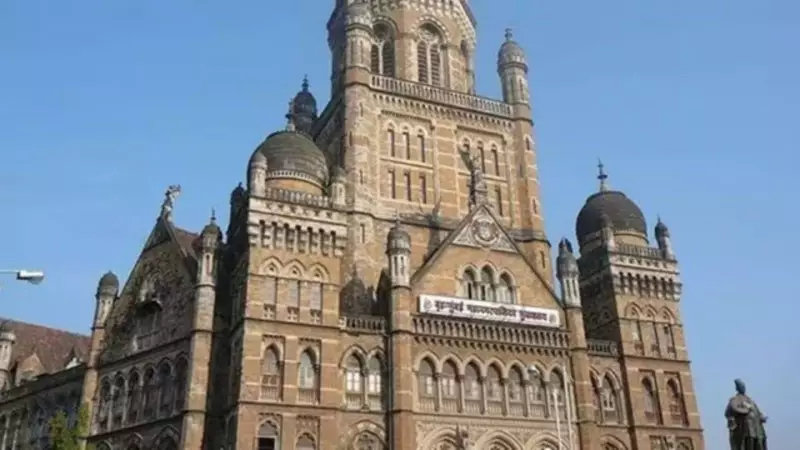
The primary flashpoint emerged when the Brihanmumbai Municipal Corporation (BMC) was placed in the General category for the third consecutive term. This development has raised serious questions about the fairness of the reservation lottery process and has become a focal point for political opposition in the state.
Constitutional Foundation and Legal Framework
The entire system of reserving mayoral posts originates from the 74th Constitutional Amendment, which granted constitutional status to urban local bodies. This amendment mandated reservation for Scheduled Castes (SCs), Scheduled Tribes (STs), and women in leadership positions. Maharashtra's implementation extends these provisions to include Other Backward Classes (OBCs) through the Municipal Corporations Act.

To ensure equitable distribution, the law requires that mayoral positions rotate among these categories over successive terms. Senior officials from the Urban Development Department (UDD) explain that the rotation cycle calculations date back to 2007, with past allocations carefully considered to minimize repetition.
The Lottery Process: Step-by-Step Breakdown
The actual draw takes place at Mantralaya, Maharashtra's administrative headquarters. This year's process was particularly complex as all 29 municipal corporations underwent simultaneous elections. The methodology involves:
- Placing chits bearing eligible corporation names in a circular drum
- Conducting category-wise draws for different reservation categories
- Following specific eligibility criteria for each category
Category-Specific Allocation Mechanisms
ST Reservation Process:
- Based on ST population data from the 2011 Census
- Requires at least three ST corporators for eligibility
- Corporations like BMC automatically excluded due to insufficient representation
- From nine eligible corporations, Kalyan-Dombivli secured the single ST-reserved post
SC Reservation Allocation:
- Follows similar population and representation criteria
- Three corporations were eligible after excluding previous cycle beneficiaries
- Thane, Jalna, and Latur were selected through the draw
- Jalna and Latur were further reserved for SC (Women) under the 50% women's reservation rule
OBC Reservation Determination:
- Applied statutory 27% reservation translating to eight mayoral posts
- Most corporations had previous OBC mayoral allocations
- Ichalkaranji and Panvel automatically allotted as they never had OBC reservation
- Remaining six posts allocated alphabetically in Marathi to: Akola, Ahilyanagar, Ulhasnagar, Kolhapur, Chandrapur, and Jalgaon
- Separate draw determined four of eight OBC posts for women
General Category Assignment:
- Remaining 17 posts automatically fall under General category after other allocations
- Nine of these reserved for women through additional draw
- This includes BMC's controversial placement
Why Repetition Occurs: The Official Explanation
The repetition of categories for certain corporations, including BMC, has become the central controversy. Opposition parties, led by Shiv Sena (UBT), have alleged procedural unfairness and bias in the allocation process.

A senior UDD official provided clarification: "Once the names of corporations to be allotted a reservation are drawn and announced, all remaining corporations automatically fall under the General category. The system follows established norms and past allocation patterns to ensure fairness across cycles."
The state government maintains that it has strictly adhered to all legal requirements and procedural norms in conducting the lottery. However, the political fallout continues as opposition parties question the transparency and equity of the entire process.
This controversy highlights the complex interplay between constitutional mandates, administrative procedures, and political dynamics in Maharashtra's urban governance system. As municipal corporations prepare for elections, the reservation lottery system remains a contentious issue with significant implications for political representation and urban administration across the state.