Monkey Menace Intensifies Across Lucknow Neighborhoods
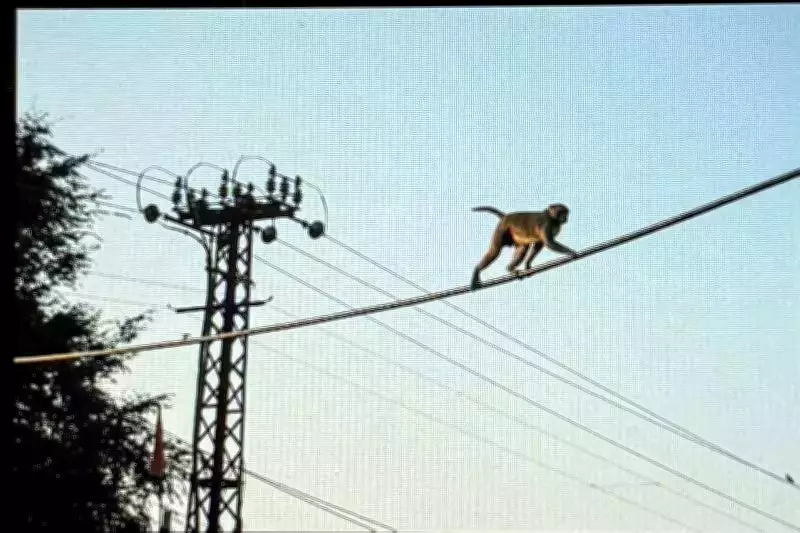
Step out onto a terrace in Aliganj or open a balcony door in Gomti Nagar, and you may find an uninvited guest waiting. From Chowk to Telibagh, monkeys are no longer a rare sight but a daily concern plaguing residents across the city. A comprehensive reality check spanning more than a dozen localities reveals that this menace is spreading rapidly, with significant impacts on daily life and property.
Residents Face Daily Intrusions and Health Risks
The problem extends far beyond mere nuisance or occasional bites. Monkeys are brazenly entering homes through open windows and balconies, raiding kitchens, and scattering food items, leaving chaos in their wake. The scale of this issue is starkly visible in official health and civic data. Government hospitals in Lucknow record approximately six monkey-bite cases every single day, highlighting a serious public health risk. Simultaneously, the Lucknow Municipal Corporation receives nearly 150 formal complaints each month from distressed citizens, underscoring the widespread nature of the problem.
Confusion Over Responsibility Delays Effective Action
For a considerable period, confusion between the civic body and the forest department over jurisdictional responsibility led to significant delays in addressing the monkey menace. This bureaucratic tangle left residents without clear recourse. In a pivotal move this January, the state government assigned full responsibility for managing monkeys within city limits to the forest department, aiming to streamline efforts. However, on the ground, many residents continue to approach the municipal corporation out of habit, and their complaints are merely forwarded without achieving timely resolution, perpetuating frustration.
Widespread Property Damage and Disruption
Residential colonies across Lucknow are reporting extensive and costly damage. Clothes are being torn, and decorative flower pots are smashed to pieces. The destruction extends to critical infrastructure: solar panels are damaged, water pipes are broken leading to leaks and disrupted supply, and Wi-Fi and cable wires are frequently severed. In Burlington Colony, resident Shabnam described a harrowing incident where monkeys barged into her home, scattering food and damaging numerous household items. "The house was left in complete chaos," she recounted.
In Rajendra Nagar, residents have been forced to stop keeping plants outside entirely. "They uproot them in mere minutes," explained Sunita Kumari. The situation in Vibhuti Khand is equally dire. Residents report that even a slightly ajar door invites trouble, as monkeys walk in uninvited and start consuming fruit and packaged food. Resident Welfare Association members added that in several instances, monkeys have damaged terrace water pipes, causing significant leakage and disrupting the water supply for entire buildings.
Markets and Commercial Areas Also Affected
The impact of the monkey menace is not confined to residential areas; markets and commercial zones are also bearing the brunt. In bustling areas like Charbagh and Aminabad, fruit sellers describe groups of monkeys descending to grab bananas and apples. "If we attempt to chase them away, they bare their teeth aggressively," shared a local vendor. Shopkeepers in Nirala Nagar noted that customers often panic when monkeys snatch food directly from their hands, creating an unsafe and unpleasant shopping environment.
Residents Take Matters Into Their Own Hands Amid Official Inaction
Despite the rising tide of complaints and bite cases, residents express frustration over the lack of a clear, actionable plan from authorities. With little relief on the ground, many families have resorted to self-help measures, installing iron nets and covering balconies to fortify their homes. "Until there is a comprehensive and lasting solution from the authorities, we can only focus on protecting ourselves. It is imperative that the concerned departments act swiftly," emphasized Ravi Shukla, a resident from Chowk.
Official Action Plan Awaited
The state government had tasked the Principal Chief Conservator of Forests (Wildlife), Anuradha Vemuri, with preparing a detailed action plan within one month from January 15. This plan was expected to outline comprehensive procedures for the capture, transport, relocation, and long-term management of the monkey population in Lucknow. However, attempts to contact Ms. Vemuri for an update on this critical plan were met with no response, leaving the timeline and specifics of the proposed solution uncertain.