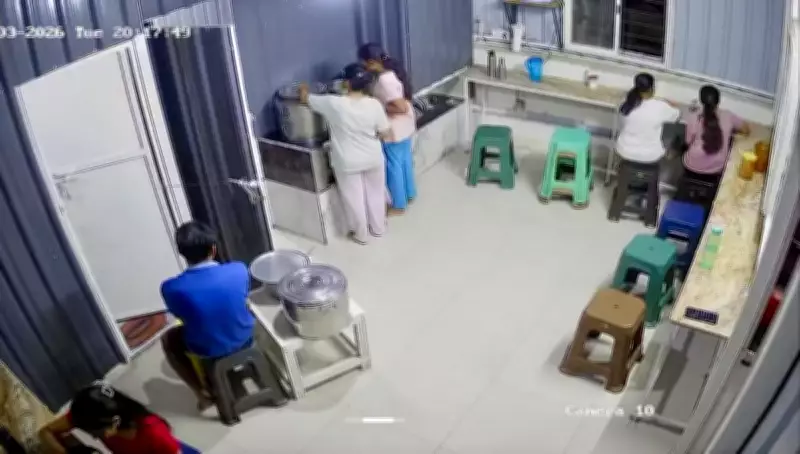
LPG Shortage Disrupts Food Services in Bengaluru PG Kitchens
A significant shortage of liquefied petroleum gas (LPG) cylinders is creating major challenges for paying guest (PG) accommodation kitchens across Bengaluru. This disruption is forcing operators to make substantial adjustments to their daily operations, including altering menus and adopting alternative cooking appliances to ensure continued food service for residents.
Impact on Daily Operations and Menu Planning
The scarcity of LPG has led PG kitchen managers to rethink their culinary offerings. Many are now prioritizing dishes that require less cooking time or can be prepared using methods that consume less gas. This often means a shift away from traditional, time-intensive recipes towards simpler, quicker-to-cook meals. For instance, some kitchens are reducing the frequency of preparing items like biryani or slow-cooked curries, which are heavy on gas usage, in favor of one-pot meals, salads, or ready-to-eat options.
Operators report that the shortage is not just an inconvenience but a critical operational hurdle, as timely meal service is a key expectation for PG residents, many of whom are students or working professionals reliant on these facilities.

Adoption of Alternative Appliances and Energy Sources
In response to the LGP crisis, several PG kitchens are exploring and investing in alternative cooking appliances. Induction cooktops, electric rice cookers, and microwave ovens are becoming increasingly common as substitutes for traditional gas stoves. While these appliances help mitigate the immediate impact of the shortage, they come with their own set of challenges, such as higher electricity costs and the need for infrastructure upgrades in some older buildings.
This shift is also prompting discussions about long-term sustainability, with some operators considering a permanent move towards more energy-efficient cooking methods, even after the LPG supply stabilizes.
Broader Implications for Residents and the Local Community
The LPG shortage is affecting not only kitchen operations but also the daily lives of PG residents. Changes in menu quality and variety, potential delays in meal times, and adjustments in food preferences are some of the direct consequences. Additionally, the increased operational costs associated with alternative appliances may lead to higher charges for residents, adding financial strain in an already expensive city.
Local suppliers and distributors are also feeling the pinch, with increased demand for electric appliances and fluctuations in LPG cylinder availability causing supply chain disruptions. This situation highlights the interconnectedness of urban services and the vulnerability of essential commodities like cooking gas in metropolitan areas.
As Bengaluru grapples with this shortage, PG kitchens continue to adapt, showcasing resilience and innovation in the face of logistical challenges. The episode underscores the need for robust infrastructure planning and alternative energy solutions to prevent similar crises in the future.