Mumbai BMC Polls Witness Tepid Voting in Minority-Dominated Wards
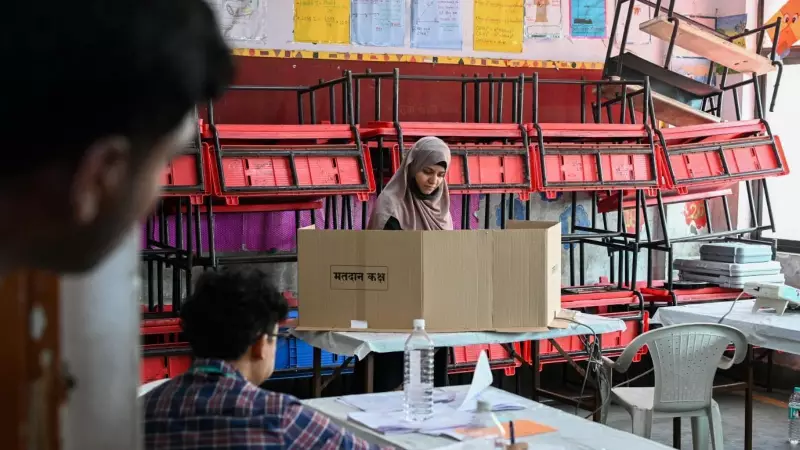
Voter turnout remained lukewarm in minority Muslim-dominated areas during the Brihanmumbai Municipal Corporation (BMC) elections on Thursday. Most wards recorded a turnout between 35 to 40 percent until the afternoon hours. The participation picked up slightly in the latter half of the day, but overall numbers stayed low.
Lowest and Highest Turnout Figures Revealed
Ward 224 in Dongri recorded the lowest turnout at just 29.77 percent until noon. In contrast, one of the wards in Mankhurd-Govandi area showed the highest participation with 43.54 percent. Govandi logged an average turnout over 40 percent, similar to Malvani in Malad and Vakola and Kalina in Santacruz East.
Parts of Jogeshwari West consistently voted under 38 percent until 3:30 pm. Wards in Kurla displayed varied turnouts ranging from as low as 33 percent to 43 percent. Byculla polled around 37 percent during the same period.

Voters Cite Practical Issues and Lack of Focus on Local Problems
Faiyaz Alam, a voter from the region, noted plenty of election buzz on the streets. However, he pointed out that many potential voters could not find their names in the voter lists and returned home without casting their ballots. Alam expressed disappointment that votes were being sought primarily on religious grounds rather than local issues.
The electoral fight in these areas appears largely between the All India Majlis-e-Ittehadul Muslimeen (AIMIM) and the Samajwadi Party. According to Alam, the Shiv Sena factions are not putting up much of a contest in these constituencies.
Some Areas Show Better Participation Despite Overall Trend
Shabbir Rehman, a 32-year-old travel agency worker from Pune, traveled to Malvani early in the morning specifically to vote. He mentioned that Malvani typically records higher voting percentages across all elections - whether parliamentary, assembly, or civic polls. Rehman emphasized that his entire family and friends vote together as a practice.
In Mahim's Cadell Road near the Dargah, voters continued coming out until late afternoon. Wasim Qureishi, an enthusiastic voter, explained that residents choose their corporator based on practical considerations. They evaluate who has done better work in addressing local issues since the corporator remains their primary contact for resolving neighborhood problems.
The overall pattern suggests that while some areas maintained their traditional voting enthusiasm, many minority-dominated wards showed restrained participation in these crucial municipal elections.