

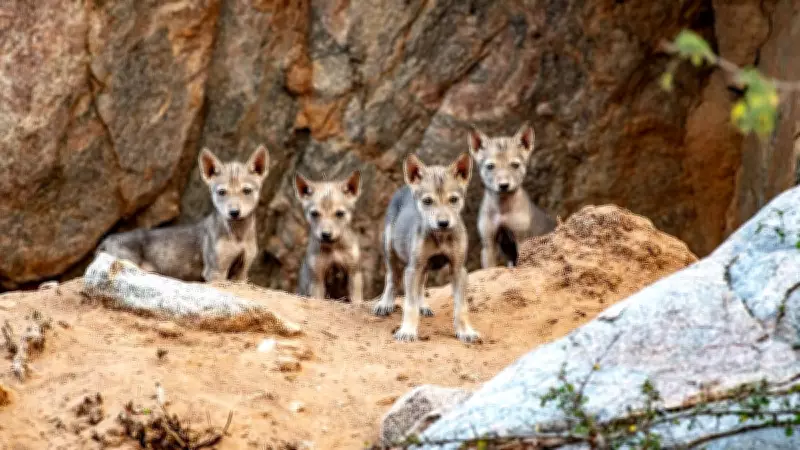
Leopard Takeover Disrupts Wolf Breeding Cycle in Karnataka Sanctuary
In an unprecedented ecological shift, Karnataka's Bankapur Sanctuary has witnessed a complete absence of wolf litters during the current breeding season. This alarming development is directly attributed to the increasing dominance of leopards within the protected area, which has fundamentally altered the habitat dynamics and forced wolves to alter their reproductive behavior.
Predator Pressure Alters Sanctuary Ecology
Forest officials and wildlife experts monitoring the sanctuary have confirmed that leopards have effectively occupied prime territories that were traditionally utilized by wolves for denning and raising their young. The presence of these larger, more aggressive predators has created an environment of constant threat, compelling wolf packs to avoid traditional breeding grounds. This interspecies competition has resulted in wolves either delaying reproduction or abandoning breeding attempts altogether to ensure their survival.
The sanctuary, spanning approximately 139 square kilometers in Karnataka's Haveri district, has long been recognized as a critical habitat for the Indian wolf population. However, recent years have seen a noticeable increase in leopard sightings and territorial markings throughout the area. This shift has been documented through camera traps and field observations, revealing how leopards are now utilizing the same rocky outcrops and scrub forests that wolves depend on for shelter.

Conservation Implications and Wildlife Management
Wildlife biologists express significant concern over this development, noting that the absence of wolf litters could indicate broader ecological imbalances. The displacement of wolves by leopards may lead to cascading effects throughout the food chain, potentially impacting prey species and vegetation patterns. Conservationists emphasize that while leopards are a protected species under Indian law, their unchecked proliferation in wolf habitats requires careful management to preserve biodiversity.
Forest department authorities have initiated enhanced monitoring protocols to better understand the predator interactions. These measures include:
- Deploying additional camera traps in strategic locations to track movement patterns of both species.
- Conducting regular field surveys to assess population densities and habitat usage.
- Analyzing scat and other biological samples to determine dietary overlaps and competition for resources.
The situation at Bankapur Sanctuary serves as a critical case study in predator coexistence and habitat management. Experts suggest that without intervention, wolves may face increased pressure to relocate to less suitable areas, potentially bringing them into conflict with human settlements. This scenario underscores the need for adaptive conservation strategies that account for changing predator dynamics in protected areas.
Looking Ahead: Balancing Ecosystem Health
As wildlife officials continue to gather data, the focus remains on developing strategies to mitigate the impact of leopard dominance on wolf populations. Potential approaches being considered include habitat enrichment to create distinct zones for different predators and targeted monitoring to prevent any single species from overwhelming the ecosystem. The goal is to restore a balanced environment where both wolves and leopards can thrive without one species compromising the reproductive success of the other.
This season's complete absence of wolf offspring marks a pivotal moment for conservation efforts in Karnataka, highlighting the complex challenges of managing multi-predator sanctuaries in an era of ecological change.






