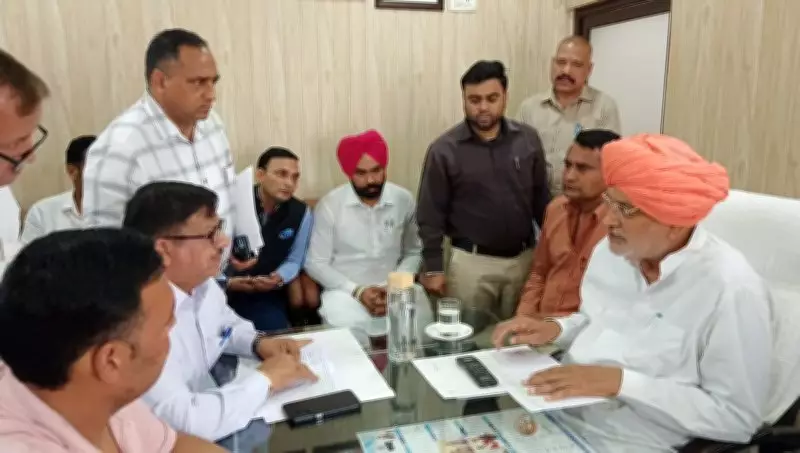
Kurukshetra Deputy Commissioner Issues Directives for Timely Wheat Lifting
In a decisive move to streamline the ongoing wheat procurement process, Kurukshetra Deputy Commissioner Shantanu Sharma has issued explicit instructions to all procurement agencies operating in the district. The directive mandates the timely lifting of wheat stocks from procurement centers to prevent any offloading outside the sacred Brahma Sarovar area.
Preventing Offloading at Sacred Site
The Deputy Commissioner emphasized the critical need to avoid offloading wheat stocks in the vicinity of Brahma Sarovar, a revered pilgrimage site in Kurukshetra. He highlighted that such practices could lead to logistical disruptions, environmental concerns, and potential disrespect to the religious significance of the location. Sharma stressed that procurement agencies must coordinate effectively to ensure wheat is lifted promptly after purchase, reducing the risk of overflow and unauthorized dumping.
Ensuring Smooth Procurement Operations
To facilitate this, the Deputy Commissioner has called for enhanced coordination among various stakeholders, including procurement agencies, transportation services, and local authorities. He urged agencies to maintain a strict schedule for lifting wheat, leveraging real-time monitoring and communication systems to track stock movements. This proactive approach aims to minimize delays and prevent bottlenecks that could force offloading at inappropriate sites.

Key measures outlined include:
- Implementing a systematic lifting schedule based on procurement volumes.
- Utilizing digital platforms for real-time updates on stock availability and transportation status.
- Conducting regular inspections to ensure compliance with directives.
- Engaging with local communities to address any concerns promptly.
Broader Implications for Haryana's Agriculture
This directive is part of a larger effort to enhance the efficiency of wheat procurement in Haryana, a key agricultural state. By preventing offloading issues, the administration aims to safeguard both operational integrity and cultural sensitivities. The move is expected to contribute to smoother supply chain management, benefiting farmers and agencies alike. It also underscores the government's commitment to balancing economic activities with respect for heritage sites.
Overall, the Deputy Commissioner's intervention seeks to create a more organized and respectful procurement environment, ensuring that wheat stocks are managed responsibly without compromising the sanctity of Brahma Sarovar.