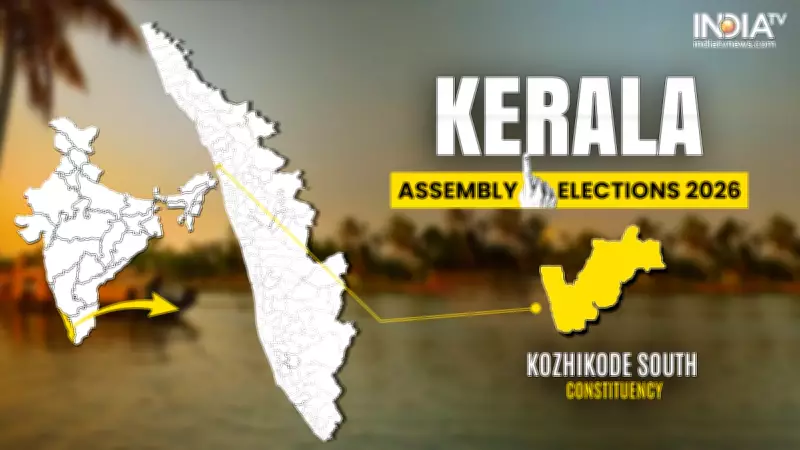
Kozhikode South Assembly Election 2026: A Comprehensive Constituency Analysis
The Kozhikode South Assembly constituency in Kerala is gearing up for the highly anticipated 2026 state elections. This urban seat, part of the Kozhikode Lok Sabha constituency, has a rich political history and is a key battleground for major parties in the region. As the election approaches, political analysts are closely monitoring developments, with a focus on past performance, demographic shifts, and potential candidates.
Constituency Profile and Demographics
Kozhikode South is an urban assembly constituency located in the Kozhikode district of Kerala. It encompasses several densely populated wards, including areas like Palayam, Beypore, and Feroke, known for their diverse socio-economic makeup. The electorate here is a mix of urban professionals, traders, and traditional communities, making it a microcosm of Kerala's political landscape. Key issues often revolve around infrastructure development, healthcare access, and employment opportunities, which are likely to dominate the 2026 campaign discourse.
Past Winners and Election Margins
In the 2021 Kerala Assembly elections, the Indian National Congress (INC) candidate, M. K. Muneer, secured a victory in Kozhikode South. He won with a margin of approximately 10,000 votes, defeating his closest rival from the Communist Party of India (Marxist) [CPI(M)]. This result was part of a broader trend where the United Democratic Front (UDF), led by the INC, performed strongly in urban constituencies across the state.
Looking back at previous elections:
- 2016: The CPI(M) candidate won the seat, highlighting the constituency's history of close contests between the Left Democratic Front (LDF) and UDF.
- 2011: The INC emerged victorious, indicating a pattern of alternating wins between the two major fronts over the past decade.
These past results underscore the competitive nature of Kozhikode South, with victory margins often swinging based on local issues and broader state-level political dynamics. The 2026 election is expected to be no different, with both fronts likely to invest significant resources to secure this pivotal seat.
Expected Party-Wise Candidates for 2026
As the 2026 Kerala Assembly elections draw nearer, political parties are beginning to strategize their candidate selections for Kozhikode South. While official announcements are yet to be made, insiders suggest the following possibilities:
- Indian National Congress (INC): The incumbent, M. K. Muneer, is a strong contender for re-nomination, given his previous win and local popularity. However, the party might consider other leaders to refresh its appeal, especially if anti-incumbency sentiments arise.
- Communist Party of India (Marxist) [CPI(M)]: The CPI(M) is likely to field a prominent local figure, possibly a former MLA or a rising star within the LDF. Names like P. T. A. Rahim or other seasoned politicians are being speculated in political circles.
- Bharatiya Janata Party (BJP): The BJP, which has been trying to expand its footprint in Kerala, may nominate a candidate with a strong organizational background. While the party has historically struggled in this constituency, it could leverage national issues to make inroads.
- Other Parties: Smaller regional parties and independents might also enter the fray, though their impact is expected to be limited given the dominance of the INC and CPI(M).
Candidate selection will be crucial, as local factors such as community representation, candidate credibility, and campaign strategies will play a significant role in determining the outcome. Parties are likely to finalize their nominees closer to the election date, after assessing ground realities and alliance dynamics.
Key Factors Influencing the 2026 Election
Several factors will shape the electoral battle in Kozhikode South:
- Incumbency Advantage: The performance of the current MLA and the state government's track record on local issues will be under scrutiny.
- Demographic Changes: Urbanization and migration patterns could alter voter demographics, potentially favoring parties that address contemporary urban challenges.
- Alliance Politics: The strength of alliances within the UDF and LDF will be critical, as coalition dynamics often influence voter preferences in Kerala.
- National vs. Local Issues: While national politics might have some impact, local concerns such as development projects, law and order, and economic opportunities are likely to dominate.
As the election campaign intensifies, voters in Kozhikode South will be weighing these factors carefully, making this constituency one to watch in the 2026 Kerala Assembly polls.