Kolhapur Mayor Vows to Push for Crucial Village Merger Meeting with Chief Minister
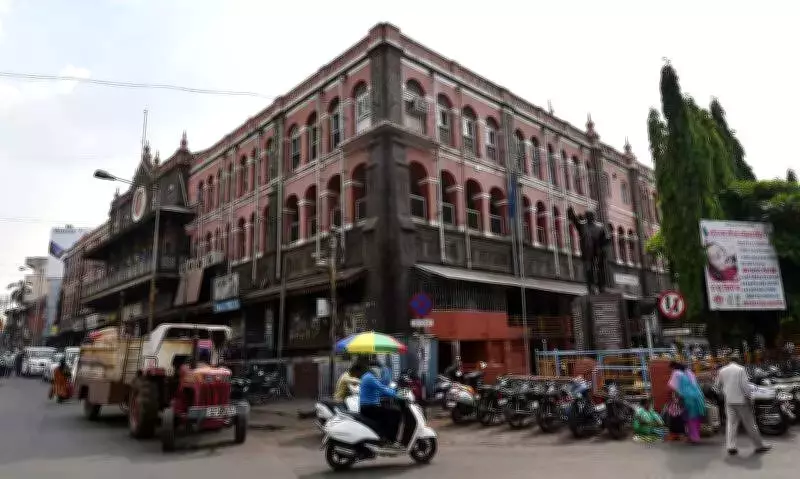
In a significant development addressing long-standing urban planning challenges, Kolhapur Mayor Rouparani Nikam declared on Wednesday her commitment to arranging a high-level meeting between a civic action committee and Chief Minister Devendra Fadnavis. The urgent agenda centers on the critical issue of merging fringe villages into the municipal corporation limits, a matter that has languished for decades.
Mayor Engages with Pro-Merger Activists and Village Residents
Speaking directly to members of the pro-merger action committee, Mayor Nikam revealed her active involvement as a committee member herself. "I have already initiated discussions with villages bordering the city, and some residents of Balinge have demonstrated a positive inclination toward joining the municipal limits," she stated emphatically. This engagement followed a formal meeting held earlier in the day at the Kolhapur Municipal Corporation (KMC) standing committee hall, which Nikam chaired, gathering activists dedicated to the merger cause.
Historical Context and Development Imperatives
The merger proposal, which KMC resubmitted last year, seeks to integrate 18 villages and two MIDC areas into the municipal boundaries. Nikam acknowledged the skepticism among fringe villages, noting that many believe joining the limits offers minimal benefit when Kolhapur city itself remains underdeveloped. She outlined a strategic priority: "Strengthening Kolhapur's development is essential so that villages voluntarily seek inclusion. Successfully merging these areas would upgrade KMC to a higher grade, making it eligible for substantially increased development funds."

This push for expansion gained political momentum when State Minister of Higher and Technical Education Chandrakant Patil remarked during Nikam's assumption of office on February 16 that proper development cannot occur without expanding city limits. His statement underscores the broader governmental recognition of the issue's severity.
Activists Highlight Constitutional and Infrastructural Crises
Pro-merger activist Baba Indulkar presented a stark assessment, arguing that Kolhapur lacks adequate space according to World Health Organization norms, which severely restricts KMC's capacity to provide basic amenities. "This constitutes a violation of Article 21 of the Constitution, as citizens are being deprived of their fundamental rights," Indulkar asserted, framing the merger as a legal and moral imperative.
Former mayor R K Powar provided historical perspective, revealing that Kolhapur's expansion has been stalled since 1946. "At that time, the city covered 66.82 square kilometers with a population of approximately 36,000. Today, the area remains unchanged, but the population has exploded to about 10.5 lakh," Powar explained, highlighting the unsustainable pressure on existing infrastructure.
Compounding Urban Challenges and Financial Strain
Activists at the meeting detailed a cascade of urban issues exacerbated by the stalled merger:
- Severe pollution and chronic traffic congestion
- Recurring flood events that disrupt city life
- Critical shortage of land for new development projects
- Mounting garbage problems fueled by a daily floating population
These challenges have placed immense financial strain on the municipal corporation, ultimately hindering Kolhapur's overall development and quality of life for its residents.
As Mayor Nikam prepares to escalate the matter to the chief minister's office, the merger issue stands at a crossroads between historical stagnation and potential transformative growth for the region.