Political Strategist Reveals JD(U)'s Narrow Escape in Bihar Elections
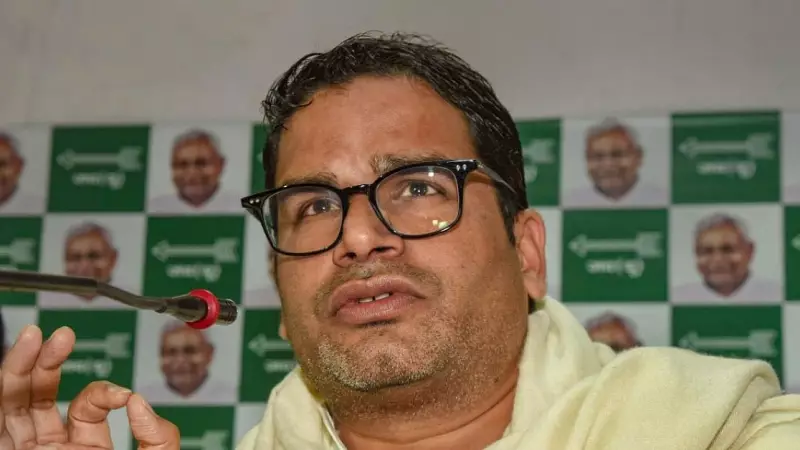
In a startling revelation about the recently concluded Bihar Assembly Elections 2025, prominent political strategist Prashant Kishor has claimed that the Janata Dal (United) would have faced a massive electoral setback without its women-centric financial assistance program.
Kishor disclosed that the JD(U) would have been limited to just 25 seats had it not implemented the scheme providing Rs 10,000 to women voters across the state. This bold statement comes as political analysts continue to dissect the election results that saw the NDA coalition return to power.
Day of Repentance: Kishor's Political Fast
As an act of political repentance, Kishor announced he would observe a day-long fast at Bitiharwa in West Champaran district on November 20, 2025. This date holds particular significance as it coincides with the likely swearing-in ceremony of the new NDA government in Bihar.
The choice of Bitiharwa in West Champaran district is symbolic, given the region's historical importance in Bihar's political landscape. Kishor's public demonstration appears designed to make a strong statement about his assessment of the election outcomes and his personal reflection on the political strategies employed.
Women's Financial Scheme Proves Decisive
The Rs 10,000 financial assistance program for women emerged as a crucial factor in JD(U)'s electoral performance according to Kishor's analysis. This welfare initiative, which directly transferred funds to women beneficiaries, seems to have created a significant voter base that ultimately prevented what Kishor describes as a potential electoral disaster for the party.
Political observers note that women voters have increasingly become a decisive demographic in Bihar politics, with various parties crafting specific policies to appeal to this constituency. The JD(U)'s financial aid scheme appears to have successfully leveraged this trend, though Kishor's comments suggest the party's performance still fell short of expectations in many constituencies.
As Bihar prepares for the formation of its new government, Kishor's revelations and planned symbolic fast add an intriguing dimension to the post-election political discourse. His assessment underscores the growing importance of targeted welfare schemes in determining electoral outcomes, particularly in states like Bihar where economic issues remain paramount for voters.