Kerala Voter List: Three Northern Districts Defy Statewide Decline Post SIR
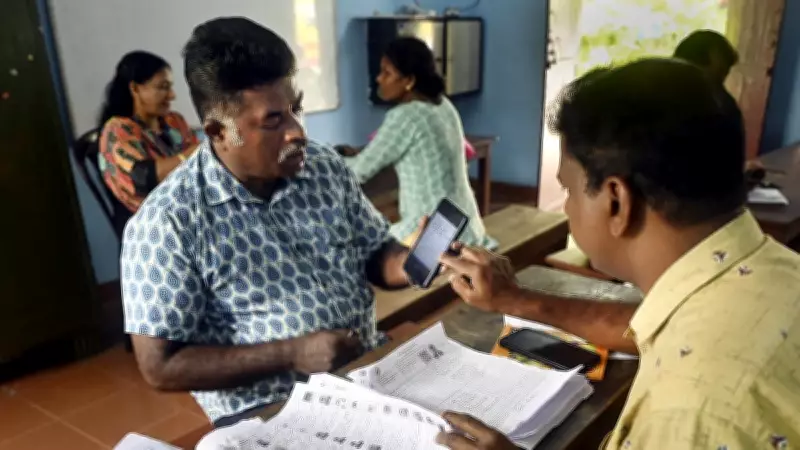
The latest electoral data from Kerala reveals a striking regional divergence in voter registration trends following the recent Special Intensive Revision (SIR) of the electoral rolls. While the state as a whole has experienced a notable decline in the total number of voters, three districts in north Kerala have bucked this trend by registering significant increases.
Malappuram Leads with Substantial Voter Surge
Malappuram district, which has a predominantly Muslim population, has emerged as the standout performer in this revision process. The district recorded an impressive increase of over two lakh voters, with the total number rising from 34.13 lakh to 36.15 lakh. This substantial growth represents one of the most significant voter registration increases in the state's recent electoral history.
Kannur and Kasargod Follow with Notable Gains
The positive trend extends to two other northern districts as well. Kannur district has shown a robust increase of approximately 47,200 voters, while Kasargod district has added around 17,985 new voters to its electoral rolls. These gains, though more modest than Malappuram's surge, still represent meaningful growth in voter participation in these regions.

Contrast with Statewide Decline
What makes these increases particularly noteworthy is that they occur against the backdrop of an overall decline in voter numbers across Kerala. The statewide drop suggests various demographic and administrative factors at play, making the northern districts' performance even more remarkable. The Special Intensive Revision appears to have been particularly effective in these three districts, possibly due to:
- Enhanced outreach efforts targeting previously unregistered eligible voters
- Improved administrative processes for voter registration and verification
- Demographic factors including population growth and migration patterns
- Increased political awareness and mobilization in these regions
The divergent trends between north Kerala and the rest of the state will likely attract significant attention from political analysts and parties as they prepare for upcoming elections. The substantial increase in Malappuram, in particular, could have important implications for electoral strategies and political calculations in the region.
As Kerala continues to update and refine its electoral database, these patterns of regional variation in voter registration will be closely monitored for their potential impact on the state's political landscape and democratic participation.