Kerala Excise Minister Defends Uniform Bar Timings as Unification, Not Extension
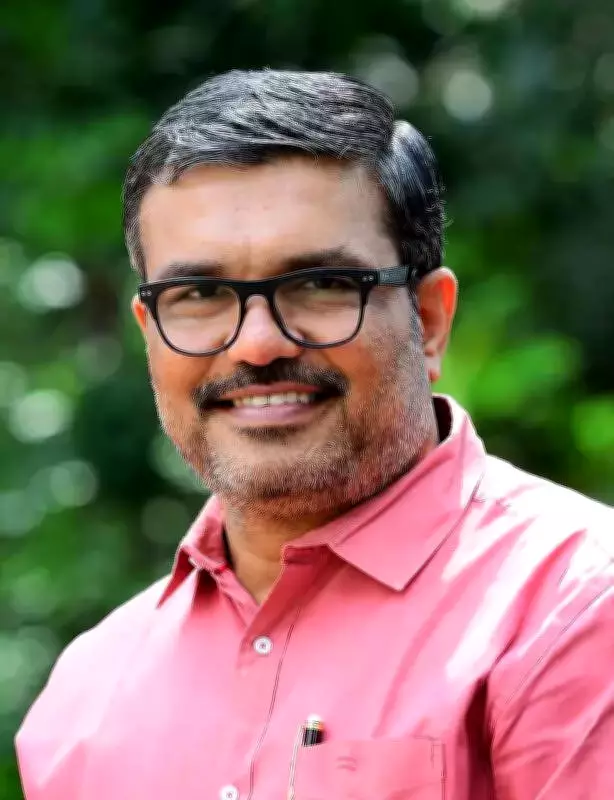
Kozhikode: Minister for Excise M B Rajesh has strongly defended the Kerala state government's decision to standardize bar operating hours, asserting that it should not be labeled as an 'extension' but rather as a unification of working hours. This move aligns bars across the state with those in designated tourism zones, which already function from 10 am to 12 am.
Addressing media persons in Kannur on Wednesday, Rajesh emphasized that the decision was made to create uniformity, taking all factors into account. He stated, "There is nothing new about it; we have simply made the timings uniform across the state." The minister clarified that this adjustment is not an extension but a harmonization of existing practices.
Opposition Awareness and Industry Context
Rajesh also claimed that the opposition had prior knowledge of the decision and had conveyed a favorable stance. He indicated that he would address further questions if the opposition raises them, responding to criticism from opposition leader V D Satheesan.

Describing the bar-hotel sector as an industry, Rajesh argued that Kerala imposes higher licence fees and tighter restrictions compared to neighboring states. He provided detailed comparisons:
- Tamil Nadu: Licence fees range between Rs 6 lakh and Rs 25 lakh.
- Karnataka: Fees are between Rs 4 lakh and Rs 10 lakh.
- Andhra Pradesh: Charges around Rs 25 lakh.
In contrast, Kerala has implemented a uniform annual licence fee of Rs 35 lakh for bars, regardless of location, which had previously triggered complaints of disparity. Rajesh noted that this uniformity now applies to timings as well.
Extended Hours for Five-Star Hotels and Tourism Demands
The minister highlighted that bars in five-star hotels are now permitted to operate until 3 am upon remitting an additional licence fee of Rs 5 lakh. He cited examples from other states, such as Bengaluru, where bars can function from 9 am to 1 am, emphasizing that operating hours elsewhere are often longer.
Rajesh stated that the decision was primarily driven by demands from the tourism sector, aiming to boost hospitality and align with industry needs. He argued that this move supports economic growth while maintaining regulatory oversight.
Addressing Criticisms on Proliferation of Bars
When questioned about the LDF government allowing an increase in bars and liquor outlets, Rajesh provided comparative data:
- Kerala: 1,379 bars and retail outlets.
- Karnataka: 5,683 outlets.
- Andhra Pradesh: 4,576 outlets.
- Tamil Nadu: 2,485 outlets.
He used these figures to counter claims of over-proliferation, suggesting that Kerala's numbers are relatively lower. The minister's defense underscores a broader strategy to balance industry growth with state regulations, focusing on tourism and economic benefits.