The Silent Service of Kerala's Corpse Handlers
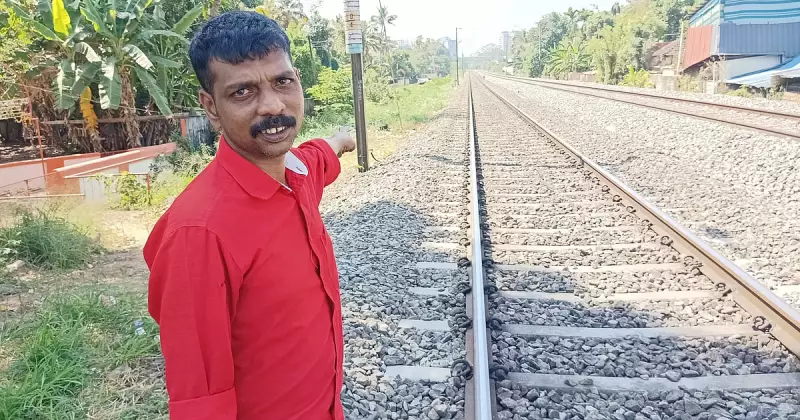
In the southern Indian state of Kerala, a group of individuals performs a crucial yet often overlooked role in society. These are the corpse handlers, responsible for preparing bodies for their final journey. Their work involves washing, dressing, and transporting the deceased to cremation grounds or burial sites. This task is essential for maintaining dignity in death, yet it comes with significant challenges.
Facing Social Stigma and Isolation
Corpse handlers in Kerala frequently encounter social stigma due to their profession. Many people avoid interacting with them, fearing contamination or bad luck. This isolation extends beyond work hours, affecting their personal lives and social standing. Despite this, they continue their duties with unwavering commitment. They understand that someone must perform this necessary service for the community to function smoothly.
The handlers often work in silence, receiving little recognition for their efforts. Their contributions are vital during times of crisis, such as natural disasters or pandemics, when the number of deaths increases. Yet, they remain in the shadows, seldom acknowledged by the wider society.

Health Risks and Safety Concerns
Handling corpses exposes these workers to various health risks. They face potential infections from diseases and must follow strict safety protocols to protect themselves. Proper protective gear, such as gloves and masks, is essential but not always readily available. The physical demands of the job can also lead to injuries, especially when moving heavy bodies.
In recent years, awareness about these risks has grown, leading to some improvements in working conditions. However, many handlers still operate with limited resources. They rely on traditional methods and personal experience to navigate the complexities of their work.
The Emotional Toll of the Profession
Beyond the physical challenges, corpse handlers bear a heavy emotional burden. They witness grief and loss on a daily basis, which can take a toll on their mental well-being. Dealing with families in mourning requires sensitivity and compassion. Many handlers develop coping mechanisms to manage the stress, but support systems are often lacking.
Some find solace in the belief that they are performing a sacred duty, helping souls transition peacefully. This perspective gives meaning to their work, even in the face of adversity. Yet, the emotional strain remains a constant companion in their lives.
A Call for Greater Recognition and Support
The life of a corpse handler in Kerala highlights the need for greater societal recognition and support. These individuals play a critical role in upholding cultural and religious practices surrounding death. Without them, the process of last rites would be disrupted, causing additional distress to bereaved families.
Efforts to improve their working conditions and reduce stigma are slowly emerging. Community initiatives and government programs aim to provide better training and resources. However, more needs to be done to ensure their well-being and dignity.
In conclusion, Kerala's corpse handlers are unsung heroes who deserve respect and appreciation. Their silent service ensures that the dead are treated with honor, allowing the living to find closure. By acknowledging their contributions, society can take a step towards greater empathy and inclusivity.