The Political Storm Over Bungalow No. 50
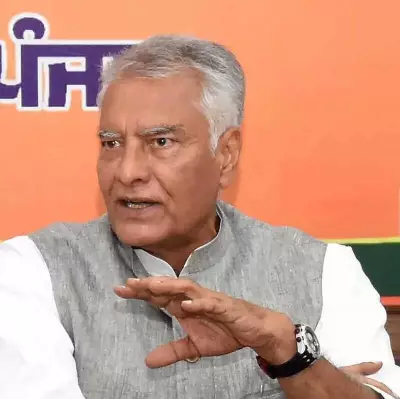
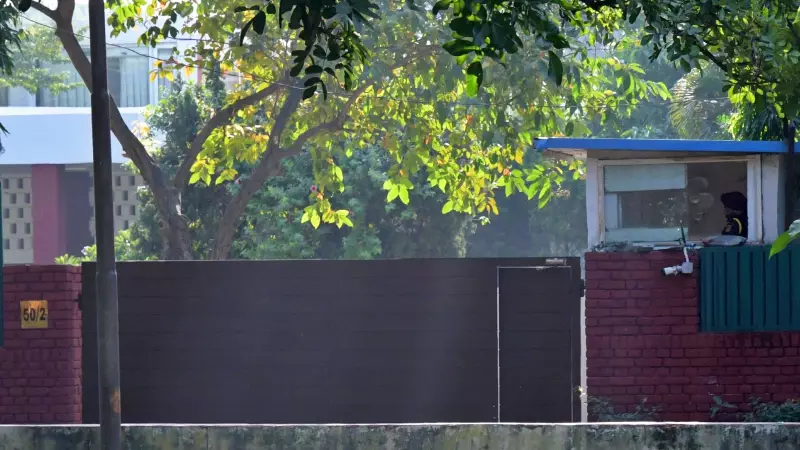
The Bharatiya Janata Party has launched fresh accusations against Aam Aadmi Party national convenor Arvind Kejriwal, labeling Bungalow No. 50 in Chandigarh's Sector 2 as his new 'Sheesh Mahal'. This controversy has thrust into spotlight a residence that has silently witnessed Punjab's political dramas for decades.
Located just a stone's throw away from the Punjab Chief Minister's official residence, this two-acre property has become the latest battleground between the ruling AAP and opposition parties. The BJP claims Kejriwal has transformed the bungalow into a palatial base for his frequent visits to Chandigarh since losing his Delhi chief ministership.
A House With Many Political Stories
Bungalow No. 50's history reads like a who's who of Punjab politics. Currently designated as 'the CM's camp office-cum-guest house' under the Bhagwant Singh Mann government, its strategic location in the power corridor of Chandigarh makes it particularly valuable. The area hosts residences of both Punjab and Haryana Chief Ministers, the CM's Office, Punjab Civil Secretariat, and the Punjab and Haryana High Courts.

Kejriwal's actual stay at the bungalow has been relatively brief - just three days in October during his post-Diwali visit. During his September trip, he had stayed at Vikas Bhawan, a government guest house in Mohali's upmarket area.
Before Kejriwal, the bungalow was occupied by AAP Rajya Sabha MP Raghav Chadha, who used it as his operational base during his tenure as the party's Punjab in-charge. Sources indicate Chadha had established an elaborate office on the premises before vacating the property in September.
Controversial Renovations and Political Tenants
The bungalow's controversial history includes a major renovation scandal during the Congress regime. In 2017, then Advocate General Atul Nanda spent approximately Rs 1 crore on refurbishments, including imported Egyptian marble, bathroom revamps, and sandstone tiling for the courtyard.
Then AAP Leader of Opposition Sukhpal Khaira, who now belongs to the Congress, had exposed these expenditures through RTI queries, highlighting the splurge during a period of financial stress for Punjab.
The property's political significance stretches back through various regimes:
- During the Akali Dal government, Adesh Partap Singh Kairon used it as an informal guesthouse for constituency visitors
- Between 1999-2002, then CM Parkash Singh Badal allotted it to former Haryana CM O P Chautala
- During the militancy era of the 1980s, it served as residence and office for police chiefs K P S Gill and Julio Ribeiro
- In 2021, Deputy CM Sukhjinder Randhawa occupied it briefly before Congress lost power
The Current Political Standoff
Punjab Chief Minister Bhagwant Mann has defended the bungalow's use, stating it serves as his camp office and Kejriwal merely used it as a guest. He countered opposition questions about allotting the property to a 'non-resident' leader by raising queries about its use during Amarinder Singh's Congress government.
Interestingly, during Amarinder Singh's tenure, while the former CM stayed at Bungalow No. 44, his family members occupied other government residences - grandson Nirvan Singh at No. 8 and son Raninder Singh at No. 43.
The search for suitable accommodation for Kejriwal in Chandigarh gained urgency after his stays at Vikas Bhawan began inconveniencing other guests, many of whom used the facility while visiting hospitals. Following its identification for Kejriwal's use in June 2025, the guesthouse was virtually closed for public access.
In the wake of the 'Sheesh Mahal 2.0' controversy, Kejriwal notably avoided both Bungalow No. 50 and Chandigarh during his recent visit to campaign for the Tarn Taran Assembly seat bypoll, indicating the political sensitivity surrounding the address.
As the debate continues, Bungalow No. 50 remains more than just brick and mortar - it stands as a silent witness to Punjab's evolving political landscape, changing occupants with shifting political fortunes, and continuing to generate headlines with each new chapter in its storied history.