Veteran Leader KC Tyagi Exits JD(U) Amid Internal Discord
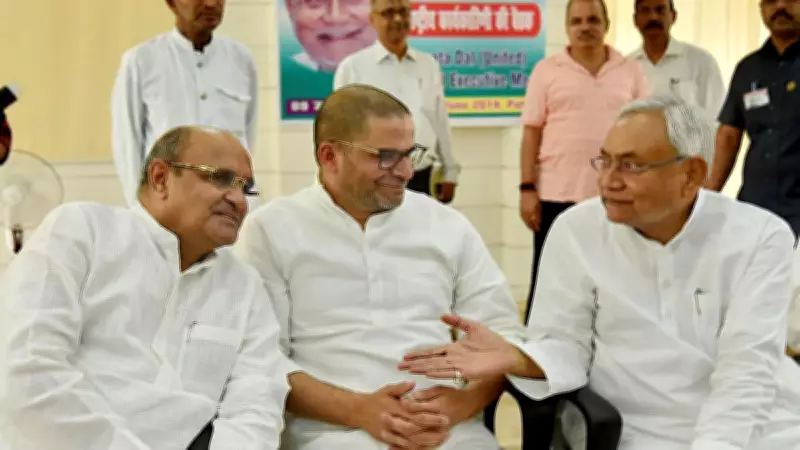
In a significant development within Bihar's political landscape, veteran Janata Dal (United) leader KC Tyagi has tendered his resignation from the party. This move comes after a period of prolonged friction and internal disagreements, marking a notable shift in the state's political dynamics. Tyagi, a seasoned politician with decades of experience, has been a prominent figure in the JD(U), contributing to its strategies and electoral campaigns over the years.
Respect for Nitish Kumar Remains Unwavering
Despite his decision to step down, KC Tyagi has emphasized that his respect for Bihar Chief Minister and JD(U) president Nitish Kumar remains unchanged. In his resignation statement, Tyagi acknowledged Kumar's leadership and contributions to the state, highlighting that personal differences did not diminish his admiration for the chief minister's work. This gesture underscores the complex interplay of loyalty and dissent in political parties, where ideological clashes can coexist with personal regard.
Background of Longstanding Friction
The resignation follows months of simmering tensions within the JD(U), with Tyagi reportedly at odds with certain party factions over policy directions and organizational matters. Sources indicate that disagreements on issues such as alliance strategies and internal democracy had been brewing, leading to a gradual estrangement. Tyagi's exit is seen as a culmination of these unresolved conflicts, which have occasionally surfaced in public forums, reflecting the challenges of maintaining unity in a diverse political entity.
Impact on JD(U) and Bihar Politics
KC Tyagi's departure could have ripple effects on the JD(U)'s structure and its positioning in Bihar's political arena. As a veteran leader, his exit might influence party morale and could prompt realignments within its ranks. Analysts suggest that this move may also affect the JD(U)'s relationships with coalition partners, including the Bharatiya Janata Party (BJP), as internal stability is crucial for electoral success. The resignation highlights the ongoing evolution of regional parties in India, where personal and ideological factors often drive key decisions.
Future Prospects and Political Trajectory
While Tyagi has not disclosed his immediate plans, speculation abounds regarding his next political move. Options could include joining another party, focusing on advisory roles, or engaging in independent political activism. His resignation letter, which cites the need for a new direction, hints at potential future engagements that align with his principles. Observers will be watching closely to see how this development shapes Bihar's political narrative ahead of upcoming elections, as veteran leaders like Tyagi play pivotal roles in mobilizing support and shaping public discourse.
In summary, KC Tyagi's resignation from the JD(U) marks a poignant moment in Bihar politics, characterized by enduring respect for Nitish Kumar amidst internal discord. This event underscores the delicate balance between party loyalty and personal convictions, with implications for the state's political future.