Protests Against Khamenei's Killing Continue in Kashmir Amid Strict Curbs
In the wake of the recent killing of Khamenei, widespread protests have erupted across Kashmir, with demonstrators taking to the streets to voice their outrage and demand justice. Authorities have responded by imposing stringent curbs, including restrictions on movement and assembly, in an effort to maintain law and order in the volatile region. Despite these measures, protests have persisted, underscoring the deep-seated tensions and unrest that continue to simmer in Kashmir.
Curbs Remain in Force as Demonstrations Escalate
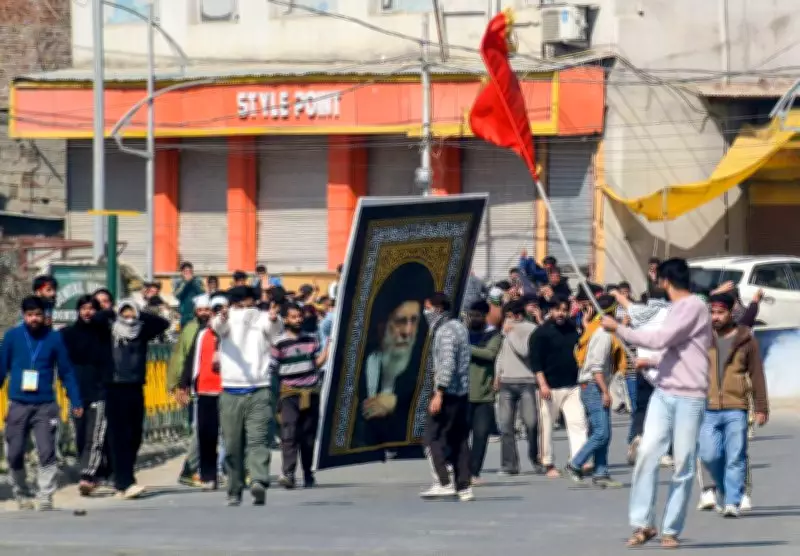
The curbs, which include prohibitory orders under Section 144 of the Criminal Procedure Code, have been enforced to prevent large gatherings and potential violence. Security forces have been deployed in key areas to monitor the situation and ensure compliance with the restrictions. However, reports indicate that protesters have defied these curbs, organizing rallies and marches in various parts of Kashmir, leading to clashes with law enforcement agencies.
Eyewitness accounts describe scenes of chaos and confrontation, with demonstrators chanting slogans and holding placards condemning the killing. The protests have been largely peaceful in some areas, but instances of stone-pelting and minor skirmishes have been reported, prompting authorities to tighten security measures further.
Background and Context of the Unrest
The killing of Khamenei, a figure whose identity and role remain central to the protests, has sparked this latest wave of unrest in Kashmir. The region has a long history of political and social strife, often exacerbated by incidents of violence and perceived injustices. This event has reignited existing grievances, with many residents viewing it as a symbol of broader issues related to security and human rights in the area.
Local leaders and activists have called for a thorough investigation into the killing and have urged authorities to address the underlying causes of the protests. They argue that the imposition of curbs, while aimed at preventing violence, may also stifle legitimate expressions of dissent and exacerbate public frustration.
Impact on Daily Life and Regional Stability
The ongoing protests and curbs have significantly disrupted daily life in Kashmir. Schools, businesses, and transportation services have been affected, with many residents opting to stay indoors due to the uncertain security situation. The economic impact is also being felt, as trade and commerce have slowed down amid the unrest.
- Increased security presence in urban and rural areas
- Disruption of educational institutions and public services
- Heightened tensions between protesters and security forces
Authorities have emphasized that the curbs are temporary and necessary to prevent escalation, but they face criticism from human rights groups who allege excessive use of force and violations of civil liberties. The situation remains fluid, with both sides showing little sign of backing down, raising concerns about prolonged instability in the region.
Looking Ahead: Potential Resolutions and Challenges
As protests continue, there are calls for dialogue and de-escalation from various quarters, including civil society organizations and political representatives. However, finding a resolution is complicated by the deep-rooted issues at play, including historical conflicts and ongoing geopolitical tensions.
- Need for transparent investigation into Khamenei's killing
- Dialogue between authorities and protest leaders to address grievances
- Review of security measures to balance order with civil rights
The coming days will be critical in determining whether the curbs can effectively quell the protests or if further unrest is on the horizon. For now, Kashmir remains on edge, with its residents caught between the demands for justice and the constraints of security measures.