Karnataka's Fiscal Health Under Scrutiny as New Fiscal Year Approaches
With the dawn of a new fiscal year just days away, Karnataka's financial landscape appears to be teetering on a precarious edge, characterized by sluggish revenue growth and an escalating dependence on borrowing. While the state's Gross State Domestic Product (GSDP) is projected to expand, budget estimates for 2026-27 indicate a significant climb in loans, with a substantial portion likely earmarked for revenue expenditure rather than asset creation.
Escalating Borrowings and State Liabilities
The government's budget estimates reveal that Karnataka is anticipated to conclude the 2025-26 fiscal year with borrowings exceeding Rs 1.1 lakh crore, a notable increase from approximately Rs 1 lakh crore in 2024-25. This steady upward trajectory is projected to propel total liabilities beyond Rs 7.6 lakh crore. Despite this surge, the state maintains that these figures will remain under 25% of the projected GSDP, which stands at about Rs 30.7 lakh crore, thereby staying within the limits prescribed by the Fiscal Responsibility and Budget Management (FRBM) norms.
When contextualized against Karnataka's estimated population of 7 crore, the per capita debt calculates to nearly Rs 1.1 lakh. This amount is alarmingly close to half the per capita income cited in the previous state Economic Survey, highlighting the growing financial burden on residents. In its mid-term fiscal review presented in December 2025, the state had estimated total liabilities at 24.9% of GSDP.
Discrepancies in Liability Estimates and Revenue Challenges
However, a report from the Reserve Bank of India (RBI) in January 2026, titled "Study of Budgets of 2025-26," pegged Karnataka's total liabilities at Rs 8.1 lakh crore by March 31. The state has firmly disputed this figure, with a finance department statement asserting, "The figure of Rs 8.1 lakh crore reported externally overstates the state's liabilities. The correct figure of state total liability is likely to be Rs 7.6 lakh crore at the end of 2025-26."
Revenue mobilization remains a critical concern for Karnataka. Against a target of Rs 2 lakh crore from the state's own taxes in 2025-26, the government managed to collect only about Rs 1.5 lakh crore by the end of January. With the exception of the excise department, most major revenue heads are expected to fall short of their targets, necessitating borrowing to bridge the significant shortfall.
Government Justification and Economic Concerns
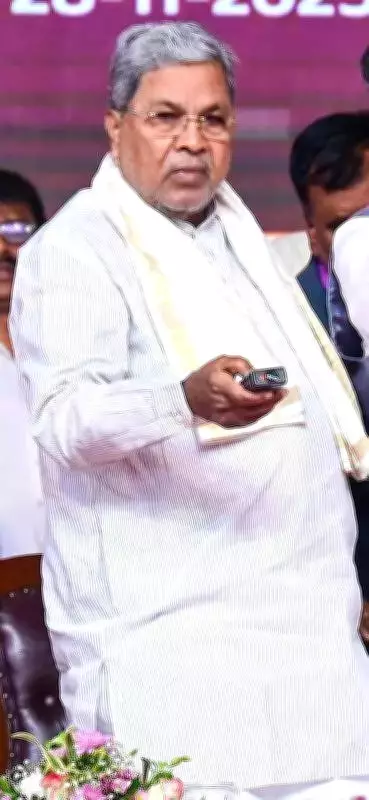
Chief Minister Siddaramaiah is expected to leverage projected GSDP growth to justify higher borrowing in the upcoming fiscal year. With the state economy estimated to expand to at least Rs 32 lakh crore, Karnataka can theoretically raise more debt in absolute terms while adhering to the 25% liability cap under FRBM norms.
Basavaraj Rayareddi, economic adviser to the Chief Minister, emphasized, "We will borrow to fill revenue gaps and ensure growth. But our borrowings will be well within allowed limits as Karnataka always stands for fiscal discipline and prudence, unlike BJP at the Centre."
Despite these assurances, economists express concerns about the allocation of borrowed funds. BDA Satya Babu Bose, director of the Centre for Rural Development and Study, cautioned, "Borrowing is justified only when it is used for productive spending. Otherwise, it amounts to valuation."
Structural Dependence and Future Implications
As committed expenditures on salaries, pensions, and interest payments continue to rise steadily, the fiscal space for capital investment may shrink further. For a state already grappling with revenue stress, the forthcoming fiscal year could witness not only an increase in debt size but also a deepening structural dependence on borrowing.
This scenario underscores the urgent need for strategic fiscal management to balance growth aspirations with sustainable financial practices, ensuring that Karnataka's economic trajectory remains robust and resilient in the face of mounting challenges.