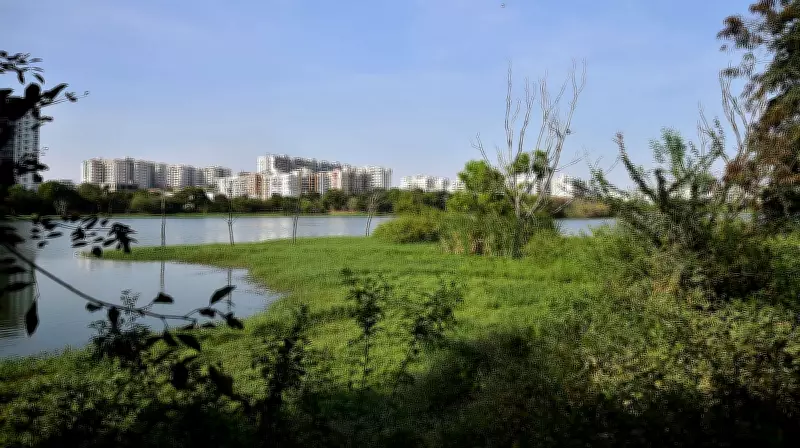
Karnataka Implements Act to Reduce Lake Buffer Zones Based on Area
The state of Karnataka has officially notified an Act that significantly shrinks the buffer zones around lakes, with the reduction now being determined based on the specific area of each water body. This move comes after a period of legislative and executive review, highlighting the state's push to modify environmental regulations.
Legislative Background and Governor's Intervention
Although the amendment to the existing law was passed by the Karnataka legislature in August 2025, it faced a notable hurdle when the Governor sent the Bill back for reconsideration. The Governor had raised concerns, specifically seeking clarity on the potential 'adverse effect' of shrinking these buffer zones, which are critical for protecting lake ecosystems from pollution and encroachment.
Despite these reservations, the state government has proceeded with notifying the Act, effectively overriding the Governor's objections. This decision underscores the government's commitment to implementing the changes, which are expected to have wide-ranging implications for land use and environmental conservation in the region.

Key Provisions and Implications
The newly notified Act introduces a nuanced approach by linking the size of buffer zones to the area of the lakes themselves. Previously, buffer zones might have been uniform or based on other criteria, but this amendment tailors the reductions to each lake's specific dimensions. Proponents argue that this allows for more flexible and context-sensitive environmental management.
However, critics warn that shrinking buffer zones could lead to increased risks:- Enhanced vulnerability to pollution from nearby developments.
- Greater potential for illegal encroachments on lake peripheries.
- Possible degradation of aquatic habitats and biodiversity.
The notification, dated 18 February 2026, marks a pivotal moment in Karnataka's environmental policy. It reflects ongoing debates between development priorities and ecological preservation, with the state opting for a more area-based regulatory framework.
Future Outlook and Monitoring
As the Act takes effect, stakeholders including environmental groups, urban planners, and local communities will be closely monitoring its implementation. The state government may need to address the Governor's earlier concerns through additional guidelines or oversight mechanisms to mitigate any adverse effects.
This development is part of broader trends in Indian states grappling with balancing growth and sustainability. Karnataka's approach could set a precedent for other regions considering similar adjustments to environmental buffers.