Power Struggle in Karnataka Erodes Dignity of Chief Minister's Office, Claims Ashoka
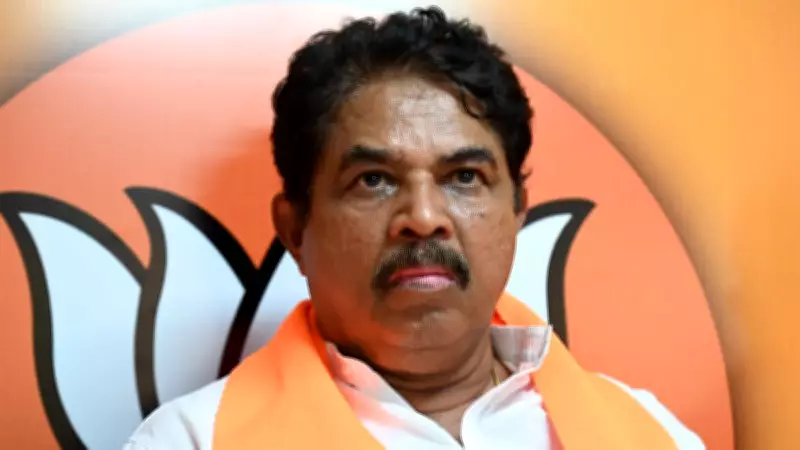
Former Karnataka Deputy Chief Minister R. Ashoka has voiced strong criticism regarding the ongoing internal power struggle within the state's ruling party, asserting that it has significantly lowered the dignity and prestige of the Chief Minister's chair. This political turmoil, according to Ashoka, is not only damaging the party's image but also adversely affecting the governance and administration of Karnataka.
Ashoka's Concerns Over Governance and Public Perception
In his remarks, Ashoka emphasized that the continuous infighting and factionalism have created an environment of instability, which undermines the authority of the Chief Minister. He pointed out that such internal conflicts distract from pressing state issues, including development projects and public welfare schemes, leading to a decline in effective governance. Ashoka warned that if left unchecked, this situation could erode public trust in the government and harm the state's progress.
Impact on Karnataka's Political Landscape
The power struggle, as highlighted by Ashoka, reflects deeper tensions within the ruling party, with various factions vying for influence and control. This has resulted in a lack of cohesive policy implementation and frequent political maneuvering, which Ashoka argues detracts from the core responsibilities of the Chief Minister's office. He called for unity and a focus on state priorities to restore the dignity of the position and ensure smooth administration.

- The internal power struggle has diminished the respect associated with the Chief Minister's chair.
- Governance and administrative efficiency are being compromised due to political infighting.
- Public perception of the government is at risk, potentially affecting future electoral prospects.
- A call for party unity and a renewed focus on state development is urgently needed.
Ashoka's comments come at a time when Karnataka is facing several challenges, including economic issues and social welfare demands. His critique underscores the need for political stability to address these concerns effectively. As a senior leader, his insights highlight the broader implications of internal party disputes on state governance and public confidence.