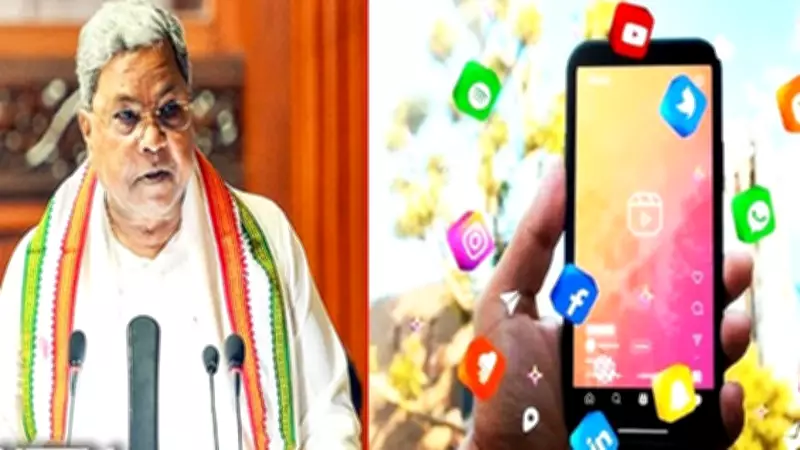
Karnataka Announces Groundbreaking Proposal to Ban Social Media for Children Under 16
In a significant move to protect young minds, the Karnataka government, under the leadership of Chief Minister Siddaramaiah, has proposed banning social media access for children under the age of 16. This initiative, announced during the presentation of the 2026–27 state budget, positions Karnataka as the first Indian state to consider such a comprehensive restriction aimed at safeguarding minors from digital harms.
Addressing Critical Health and Safety Concerns
The primary motivation behind this proposal is to shield children from the adverse effects associated with excessive social media use. Officials have highlighted several key risks that the ban seeks to mitigate:
- Mental Health Issues: Prolonged exposure to social media platforms has been linked to increased anxiety, depression, and other psychological challenges among young users.
- Disturbed Sleep Patterns: Excessive screen time, particularly before bedtime, disrupts sleep cycles, affecting overall health and academic performance.
- Online Safety Threats: Children are vulnerable to cyberbullying, predatory behavior, and exposure to inappropriate content, which this measure aims to reduce.
Government representatives emphasized that the goal is not to completely block technology but to regulate access in a responsible manner. They advocate for a balanced approach where children can benefit from educational and constructive digital tools while being protected from the potentially harmful aspects of social media.
Aligning with Global Trends and Regulatory Efforts
Karnataka's proposal reflects a growing international consensus on the need for stricter social media regulations for minors. Countries such as Australia and the United Kingdom have already implemented or are consulting on similar measures to enhance online safety for young people. This alignment underscores the urgency of addressing digital well-being on a global scale.
The announcement has sparked discussions among parents, educators, and policymakers about the role of technology in children's lives. While some applaud the move as a necessary step to combat digital addiction and its consequences, others call for complementary educational programs to teach responsible online behavior.
As Karnataka moves forward with this initiative, it sets a precedent for other states in India to consider similar protections, potentially shaping national policies on youth and technology in the coming years.