Karnataka MLC B.K. Hariprasad Condemns PM Modi's Israel Policy as a Strategic Blunder
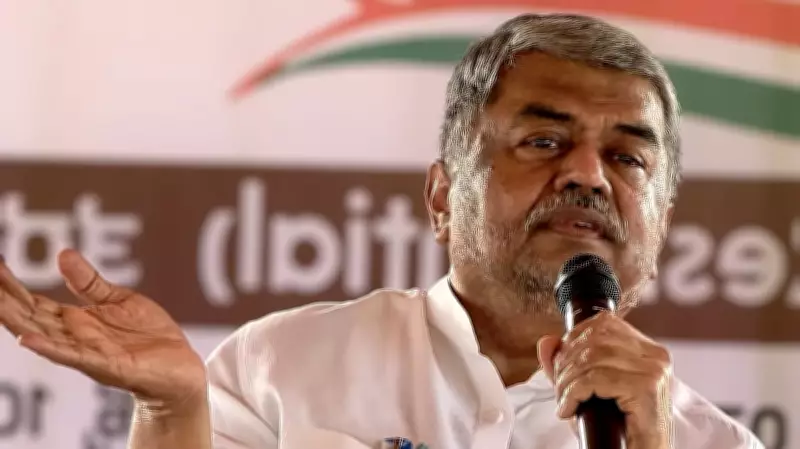
In a sharp critique of India's foreign policy direction, Karnataka Legislative Council member B.K. Hariprasad has publicly denounced Prime Minister Narendra Modi's alignment with Israel, characterizing it as a significant strategic mistake. The senior Congress leader's remarks have ignited a fresh debate over India's diplomatic stance in the volatile Middle East region.
Hariprasad's Direct Criticism of Modi's Foreign Policy Approach
Hariprasad, a prominent figure in Karnataka politics, did not mince words when he asserted that Prime Minister Modi erred by forging closer ties with Israel. He argued that this move could potentially undermine India's longstanding relationships with other key nations in the Middle East and compromise its broader geopolitical interests. The MLC emphasized that India's foreign policy should prioritize balanced diplomacy rather than leaning too heavily toward any single ally.
The Congress leader highlighted concerns that Modi's pro-Israel stance might alienate traditional partners in the Arab world, where India has substantial economic and strategic investments. He pointed to India's historical support for the Palestinian cause and suggested that a shift toward Israel could be perceived as a betrayal of those principles, damaging India's moral standing internationally.

Political and Diplomatic Implications of the Criticism
This criticism comes at a time when India-Israel relations have been strengthening under the Modi administration, with collaborations spanning defense, technology, and agriculture. Hariprasad's comments reflect ongoing tensions within Indian politics regarding the nation's foreign policy trajectory, particularly how it balances relationships in a complex global landscape.
The MLC's statement is seen as part of a broader opposition strategy to challenge the BJP-led government's decisions, framing them as missteps that could have long-term consequences for India's diplomatic and economic interests. He called for a more nuanced approach that considers the sensitivities of all stakeholders in the Middle East, advocating for a policy that maintains India's traditional neutrality while pursuing modern partnerships.
Broader Context and Reactions
Hariprasad's remarks have sparked discussions among political analysts and foreign policy experts, with some supporting his call for caution and others defending the government's outreach to Israel as a pragmatic move. The debate underscores the delicate balancing act India faces in navigating its relationships in a region marked by ongoing conflicts and shifting alliances.
As the controversy unfolds, it highlights the ongoing scrutiny of Modi's foreign policy initiatives, with critics like Hariprasad urging a reevaluation of strategies to ensure they align with India's core national interests and historical commitments. The incident serves as a reminder of the intense political discourse surrounding India's role on the global stage.