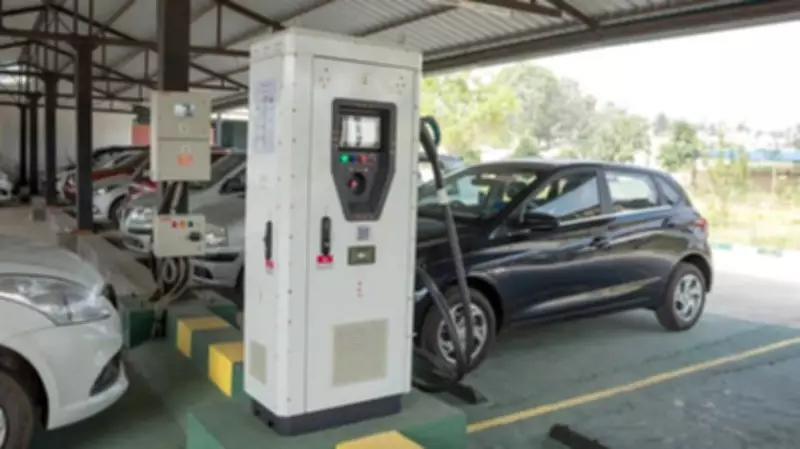
Karnataka Ends Tax Exemption for Electric Vehicles
The Karnataka government has made a significant policy shift by withdrawing the tax exemption previously granted to electric vehicles (EVs). In a move that is set to impact the state's burgeoning EV market, authorities have announced the imposition of a lifetime tax on these eco-friendly automobiles. This decision marks a departure from the earlier incentive-based approach aimed at promoting green mobility.
Details of the New Tax Structure
According to official notifications, the new tax regime will apply a lifetime tax rate of 10% on electric cars and 5% on electric two-wheelers. This tax is calculated based on the cost of the vehicle and must be paid upfront at the time of registration. The policy change is scheduled to take effect from April 1, 2024, giving stakeholders a brief window to adjust to the new financial implications.
The withdrawal of the exemption means that EV buyers in Karnataka will now face additional costs, potentially affecting the affordability and adoption rates of electric vehicles in the state. Previously, the tax exemption was a key incentive under the state's EV policy, designed to encourage consumers to switch from fossil fuel-based vehicles to cleaner alternatives.

Rationale Behind the Policy Change
Government officials have cited the need for revenue generation and the maturing EV market as primary reasons for this policy revision. With the increasing popularity of electric vehicles, authorities believe that the sector can now contribute to state coffers without stifling growth. The move is also seen as an effort to standardize tax structures across different vehicle types, ensuring a more equitable fiscal environment.
Impact on Consumers and Industry
- EV buyers will incur higher upfront costs due to the lifetime tax.
- The change may slow down the adoption of electric vehicles in the short term.
- Automakers and dealers might need to recalibrate pricing and marketing strategies.
- Existing EV owners are not affected, as the tax applies only to new registrations post-April 2024.
Broader Implications for Karnataka's EV Ecosystem
Karnataka has been a frontrunner in India's electric vehicle revolution, with Bengaluru emerging as a hub for EV manufacturing and innovation. This policy shift could influence other states considering similar tax adjustments. While it may dampen immediate sales, proponents argue that a structured tax framework is essential for the long-term sustainability of the EV industry, ensuring that infrastructure and incentives are adequately funded.
Stakeholders, including consumers, industry bodies, and environmental groups, are closely monitoring the situation, with some expressing concerns over the potential setback to green mobility goals. The state transport department has assured that the revenue generated will be reinvested in improving EV infrastructure, such as charging stations and road networks, to support continued growth in the sector.