Karnataka Governor's Abrupt Assembly Exit Sparks Political Storm
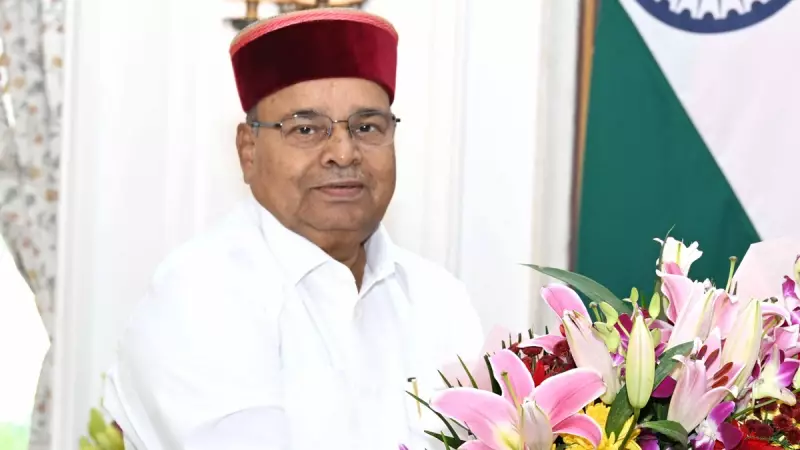
In a highly unusual and dramatic turn of events, Karnataka Governor Thaawarchand Gehlot walked out of the state legislative assembly on Monday after reading merely two lines from his prepared speech. The incident, which occurred during a crucial session, has sent shockwaves through the political corridors of the state, raising serious questions about gubernatorial conduct and the relationship between constitutional offices.
A Speech Cut Short
Governor Gehlot, who was scheduled to deliver the traditional address outlining the government's agenda and policy priorities, began reading from the official text. However, after completing just two introductory sentences, he abruptly stopped, gathered his papers, and exited the assembly hall without offering any explanation or completing the customary formalities. The move left legislators, officials, and observers in a state of utter bewilderment and confusion.
Immediate Reactions and Speculation
The governor's unexpected departure triggered immediate and intense reactions from across the political spectrum. Members of the ruling party expressed deep concern and disappointment, labeling the act as unprecedented and disrespectful to the legislative institution. Opposition leaders, meanwhile, seized the opportunity to criticize both the governor's actions and the state government, suggesting underlying tensions or disagreements that may have prompted such a public display.

Political analysts are now speculating on several potential reasons behind Governor Gehlot's walkout:
- Contentious Speech Content: The prepared address might have contained points or language that the governor found objectionable or politically inconvenient to deliver.
- Protocol or Procedural Issues: There could have been a disagreement over parliamentary procedures or the timing of the speech that led to the dramatic exit.
- Broader Political Signals: The action may be interpreted as a symbolic gesture reflecting deeper disagreements between the governor's office and the state government.
Constitutional and Institutional Implications
This incident raises significant constitutional questions regarding the role and responsibilities of a governor in a parliamentary democracy. The governor's address is a ceremonial yet constitutionally mandated event that sets the tone for the legislative session. By walking out, Governor Gehlot has not only disrupted parliamentary decorum but also potentially undermined the sanctity of this important democratic ritual.
Experts point out that such actions could set a dangerous precedent, eroding the traditional respect and neutrality expected from constitutional heads. It also highlights the often-tense dynamics between appointed governors and elected state governments, a recurring theme in Indian federal politics.
Looking Ahead: Fallout and Resolution
The immediate aftermath of the walkout saw the assembly session being temporarily adjourned as lawmakers grappled with the unexpected development. The state government is now faced with the challenge of managing this political crisis while ensuring that legislative business can proceed smoothly.
Key questions remain unanswered:
- Will Governor Gehlot provide an official explanation for his actions?
- How will this incident affect the working relationship between the Raj Bhavan and the state government?
- What steps will be taken to prevent such occurrences in the future?
As Karnataka's political landscape absorbs this shock, all eyes are on the governor's office and the state administration to navigate this unprecedented situation with maturity and in accordance with constitutional norms. The incident serves as a stark reminder of the delicate balance of power and protocol that underpins India's democratic institutions.