Karnataka Governor Declines to Address State Legislature, Government to Seek Legal Advice
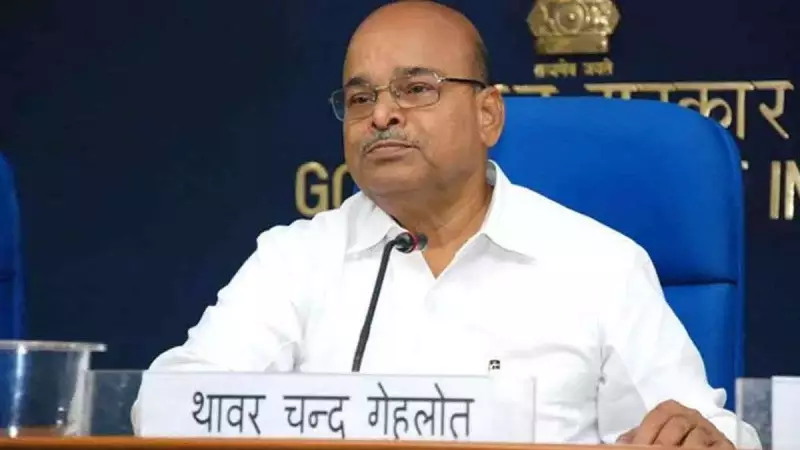
In a significant development that has stirred political circles in Karnataka, Governor Thangabalu has formally declined to address the joint session of the state legislature. This decision has prompted the state government to announce plans for legal consultation, raising questions about constitutional protocols and governance in the region.
Background and Immediate Implications
The Governor's refusal to deliver the customary address comes at a time when Karnataka is navigating complex political dynamics. The address, typically a key event at the start of a legislative session, outlines the government's policies and agenda. Thangabalu's decision is seen as a departure from standard practice, potentially signaling deeper disagreements between the Governor's office and the state administration.
Sources indicate that the government, led by Chief Minister Siddaramaiah, is now preparing to seek legal advice on the matter. This step underscores the seriousness with which the administration views the Governor's move, as it could impact legislative proceedings and the implementation of government programs.

Constitutional and Political Ramifications
The situation has sparked debates over constitutional norms in India's federal structure. Governors, as appointed representatives of the President, are expected to maintain a non-partisan role, but their actions can sometimes reflect underlying political tensions. In this case, Thangabalu's decline to address the legislature may be interpreted as a symbolic gesture, highlighting possible friction between the central and state governments.
Political analysts suggest that this development could have broader implications for Karnataka's governance. It may delay legislative business, affect policy announcements, and influence public perception of stability in the state. The government's decision to consult legal experts points to a potential escalation, with possible recourse to judicial interpretation if the impasse continues.
Government's Response and Future Steps
In response to the Governor's decision, state officials have emphasized their commitment to upholding democratic processes. They plan to engage with constitutional lawyers to explore options, which might include:
- Reviewing precedents from other states where similar situations have occurred.
- Assessing the legal grounds for compelling a Governor's address, if applicable.
- Considering alternative ways to present the government's agenda to the legislature.
The government has also indicated that it will proceed with other legislative activities while awaiting legal guidance. This approach aims to minimize disruption, but the absence of a Governor's address could leave a void in formal policy communication.
Public and Expert Reactions
Reactions from the public and political commentators have been mixed. Some view the Governor's action as a necessary check on state authority, while others criticize it as an overreach that undermines elected governance. Experts in constitutional law have noted that such scenarios are rare but not unprecedented, and they often require careful navigation to preserve institutional harmony.
As Karnataka moves forward, all eyes will be on how the government and Governor's office resolve this issue. The outcome could set a precedent for similar situations in other Indian states, making it a case study in federal relations and constitutional adherence.